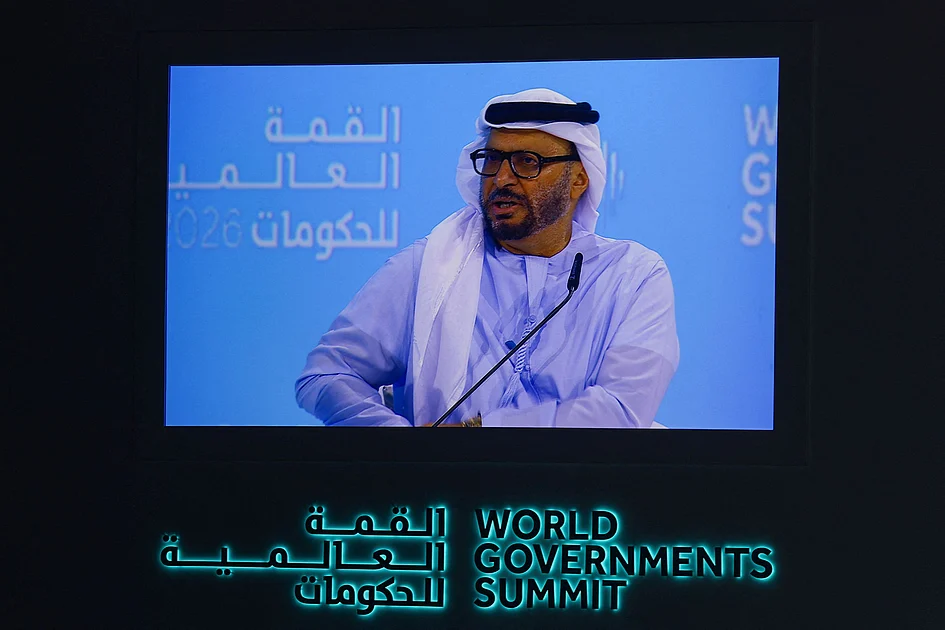
The United Arab Emirates has issued a compelling call for sustained diplomatic engagement between Iran and the United States as the two nations prepare for crucial nuclear negotiations in Turkey this Friday. Dr. Anwar Gargash, diplomatic adviser to the UAE president, emphasized the critical need for lasting solutions during his address at the World Governments Summit in Dubai, stating the Middle East has endured enough catastrophic confrontations without requiring additional conflict.
The upcoming dialogue marks a significant development in the prolonged nuclear standoff, with both nations dispatching high-level delegations. The American contingent will reportedly include Presidential son-in-law Jared Kushner and Special Envoy Steve Witkoff, while Iranian Foreign Minister Abbas Araghchi will lead Tehran’s representation. Several regional powers, including Pakistan, Saudi Arabia, Qatar, Egypt, Oman, and the UAE, have received invitations to participate in what observers describe as a multilateral effort to prevent military escalation.
This diplomatic initiative follows heightened tensions triggered by recent U.S. naval movements toward Iranian waters and mutual threats of aerial strikes. President Trump previously cautioned that ‘bad things’ might occur should negotiations fail, while Iranian officials maintain their defensive capabilities remain non-negotiable. Satellite imagery analysis of previously targeted nuclear facilities at Isfahan and Natanz reveals preliminary reconstruction efforts but no evidence of resumed uranium enrichment activities.
The UAE, maintaining its strategic position as both a key U.S. ally and regional mediator, advocates for a comprehensive geo-strategic agreement that would address nuclear concerns while enabling Iran to rebuild its sanction-damaged economy. Gulf Arab states particularly fear becoming collateral damage should Iran follow through on threats to target U.S. bases within their territories in retaliation for American attacks.
Internal assessments within Iran’s leadership indicate growing concerns that additional U.S. military action could potentially destabilize their governance by reigniting recent public unrest. Meanwhile, diplomatic channels explore potential compromises, including possible limitations on uranium enrichment and ballistic missile programs, though Tehran continues to reject preconditions that violate its sovereignty claims.