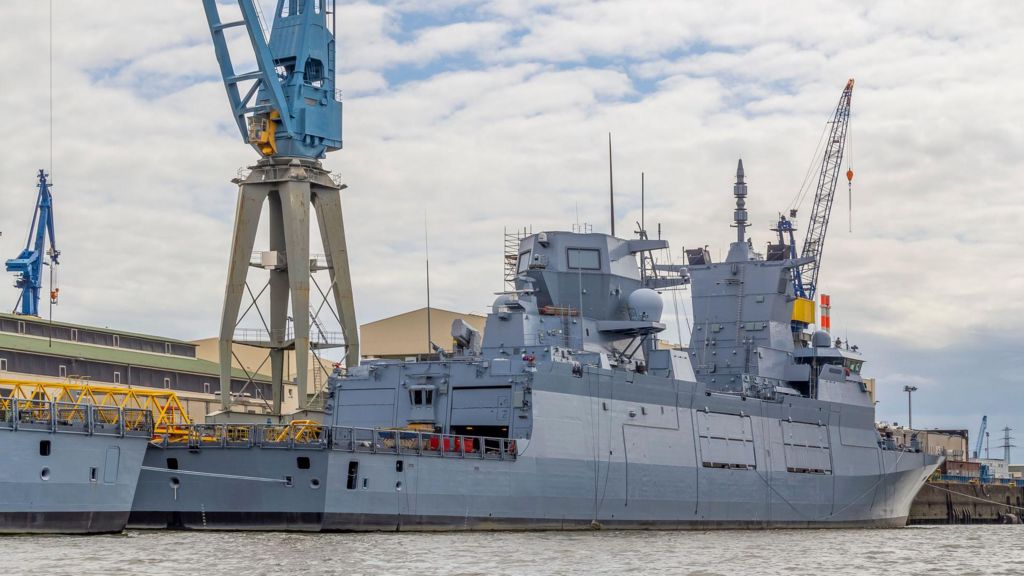
European judicial authorities have confirmed the apprehension of two individuals allegedly involved in a sophisticated plot to incapacitate German naval vessels stationed at the Port of Hamburg. The suspects, identified as a 37-year-old Romanian national and a 54-year-old Greek citizen employed at the port facility, were detained this Tuesday through a meticulously coordinated operation involving German, Greek, and Romanian law enforcement agencies.
According to Eurojust, the European Union’s judicial cooperation unit, the accused perpetrators executed multiple destructive acts targeting critical ship systems. Their alleged methods included disabling electronic safety mechanisms, removing fuel tank caps, deliberately puncturing water supply conduits, and introducing over 20 kilograms of abrasive gravel into a vessel’s propulsion system.
The criminal investigation, which remains ongoing, revealed that these actions could have resulted in catastrophic mechanical failure and significant operational delays for the German Navy. Eurojust emphasized that the sabotage attempt, had it remained undetected, would have severely compromised naval readiness and endangered maritime security operations.
Concurrent with the arrests, authorities conducted comprehensive searches of the suspects’ residences across all three involved nations, seizing electronic devices and documentary evidence believed relevant to the case. This development occurs against a backdrop of escalating security concerns across NATO member states regarding potential state-sponsored sabotage campaigns.
Since Russia’s full-scale invasion of Ukraine in 2022, multiple European nations have reported incidents involving damaged underwater infrastructure, disrupted airport operations, and compromised military facilities. While German officials have not formally attributed the Hamburg incident to Russian operatives, the pattern aligns with broader continental security anxieties. The Kremlin has consistently denied involvement in any sabotage activities targeting European infrastructure.
This case has prompted renewed focus on critical infrastructure protection within Germany, following earlier security incidents including a power grid attack that left thousands without electricity earlier this year.