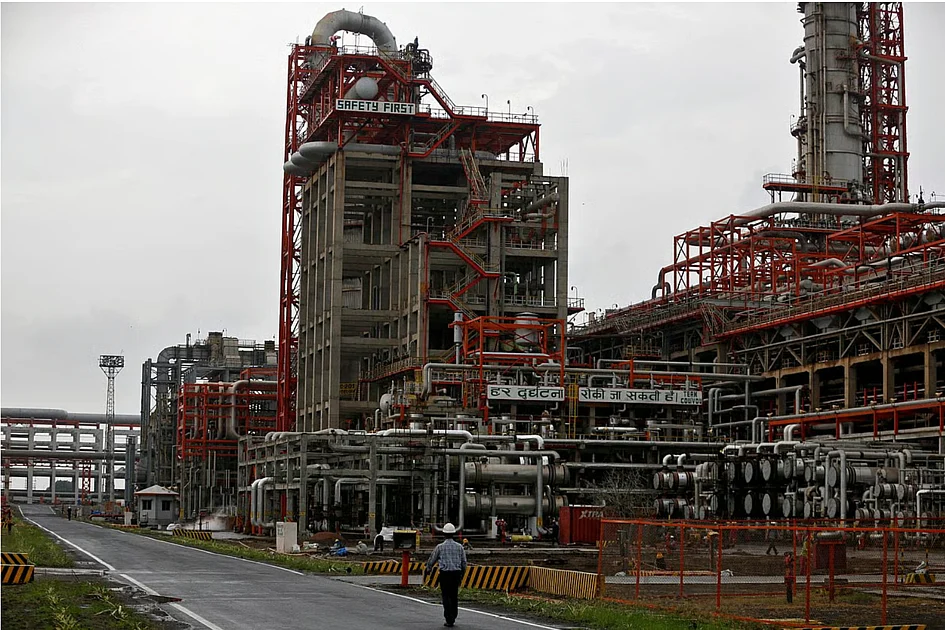
The Kremlin has officially stated that it has received no communication from the Indian government regarding any intention to cease purchasing Russian crude oil, directly contradicting claims made by former US President Donald Trump about a bilateral trade agreement.
Kremlin spokesman Dmitry Peskov addressed reporters on Tuesday, emphasizing that Moscow had not been notified of any changes to the energy partnership between Russia and India. This statement came in response to Trump’s assertion on social media that he had negotiated a trade deal with Indian Prime Minister Narendra Modi that included tariff reductions and a commitment from India to stop buying Russian oil due to the ongoing conflict in Ukraine.
Trump announced he had reduced tariffs on Indian goods from 25% to 18%, reversing previous reciprocal tariffs imposed specifically in response to India’s continued purchases of Russian energy. While Prime Minister Modi publicly thanked Trump for the ‘wonderful’ phone conversation and tariff relief, he notably omitted any reference to halting oil imports from Russia in his official statements.
The energy relationship between Moscow and New Delhi has expanded dramatically since Western sanctions reshaped global oil markets following Russia’s 2022 military operations in Ukraine. India emerged as a major purchaser of discounted Russian crude, with imports reaching approximately 1.8 million barrels per day in 2024, representing nearly 36% of India’s total crude imports.
Despite the strong energy ties, bilateral trade remains heavily imbalanced at $68.7 billion for the 2024-25 period, with Russian energy exports dominating while Indian exports to Russia accounted for less than $5 billion. The partnership has continued to strengthen, with Russian President Vladimir Putin personally assuring ‘uninterrupted shipments’ during his late 2025 visit to New Delhi.
Market analysts note that Trump’s previous tariff imposition had already impacted energy flows, with Indian media reporting a 38% monthly decline in Russian oil imports following the implementation of reciprocal tariffs, according to Commerce Ministry data.