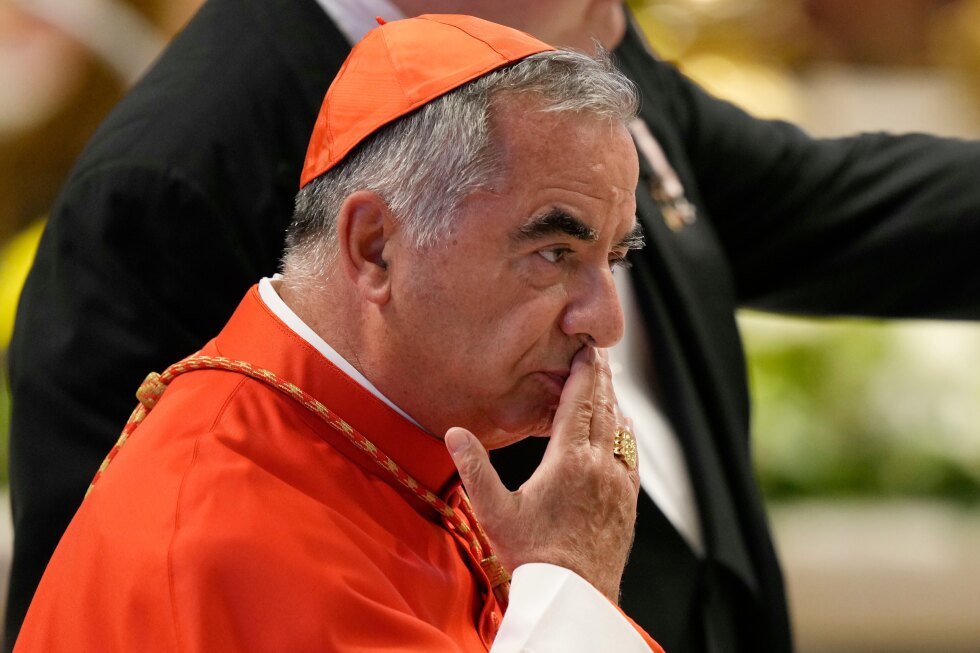
The Vatican’s landmark financial misconduct trial entered a pivotal appeals phase this week following significant setbacks for papal prosecutors that could fundamentally alter the outcome of the high-profile case. The proceedings, involving former Cardinal Angelo Becciu and eight co-defendants convicted of financial crimes in December 2023, face unprecedented challenges after the Vatican’s Supreme Court upheld a lower court’s decision to dismiss the prosecution’s appeal.
The case suffered another major blow when chief prosecutor Alessandro Diddi abruptly resigned from the proceedings rather than face potential removal by the Cassation court. This development follows the emergence of controversial WhatsApp conversations that have raised serious questions about the trial’s integrity. These communications document extensive behind-the-scenes efforts to target Cardinal Becciu and suggest questionable conduct involving Vatican police, prosecutors, and even Pope Francis himself.
Defense attorneys successfully argued that the chats demonstrated Diddi’s partiality in handling evidence and witnesses, rendering him unfit to continue his prosecutorial role. Although Diddi maintained the allegations were “unfounded,” he ultimately recused himself to prevent further damage to the judicial process.
The original trial, initiated in 2021, centered on the Vatican’s controversial €350 million investment in London real estate. Prosecutors alleged that brokers and church officials defrauded the Holy See of millions through excessive fees and commissions, subsequently extorting additional funds to relinquish property control. While the tribunal convicted defendants on several charges including embezzlement and fraud, it rejected the prosecution’s broader conspiracy theory.
The appeals process now focuses on defense arguments regarding Pope Francis’s direct involvement in the investigation. Defense teams contend their clients cannot receive a fair trial within an absolute monarchy where the pope wields supreme judicial power. Critical to this argument are four secret executive decrees signed by Francis in 2019-2020 that granted prosecutors extraordinary surveillance powers without judicial oversight or official publication.
Legal experts have criticized these decrees for violating fundamental fair trial principles, particularly the “equality of arms” between defense and prosecution. The Vatican maintains that all defendants received fair proceedings, despite internal acknowledgments that the secrecy surrounding the papal decrees created significant legal problems. The appeals court must now navigate the complex theological and legal dilemma that the pope, while theoretically subject only to divine judgment, cannot promulgate laws violating fundamental rights.