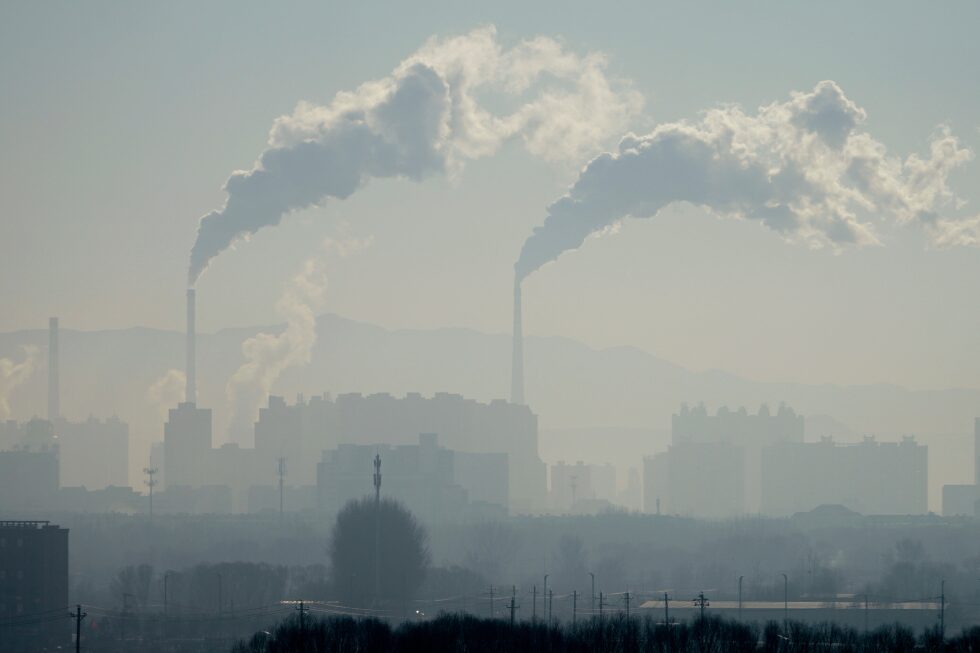
In a striking energy development paradox, China simultaneously achieved unprecedented growth in renewable energy while dramatically accelerating coal power plant construction throughout 2025. According to a comprehensive joint study by the Centre for Research on Energy and Clean Air and Global Energy Monitor, the world’s largest carbon emitter commissioned over 50 large-scale coal units last year, each boasting generating capacity of 1 gigawatt or more.
This coal expansion represents a dramatic surge from the previous decade’s average of fewer than 20 such units annually. Cumulatively, China integrated 78 gigawatts of new coal-fired capacity into its national grid—a development that climate analysts find particularly concerning given the simultaneous massive growth in renewable infrastructure.
The renewable sector witnessed extraordinary progress, with official National Energy Administration statistics confirming the addition of 315 gigawatts of solar capacity and 119 gigawatts of wind power in 2025. This clean energy boom actually reduced coal’s share in China’s overall power generation by approximately 1%, successfully meeting the nation’s entire increased electricity demand through renewable sources.
Energy experts point to multiple factors driving this contradictory approach. The 2021-2022 regional blackouts triggered significant government concerns about energy security, prompting a wave of approvals for coal plant construction. Christine Shearer of Global Energy Monitor noted the astonishing scale of development, stating that ‘China commissioned more coal power capacity in 2025 alone than India did throughout the entire previous decade.’
Qi Qin, an analyst at the Centre for Research on Energy and Clean Air, explained that once construction permits were issued during the 2022-2023 surge, project reversals became practically impossible. Current data indicates construction commenced on 83 gigawatts of additional coal capacity last year, suggesting further expansions in the coming period.
Official policy positions coal as a necessary stabilizing backup for weather-dependent renewables, with the National Development and Reform Commission emphasizing coal’s ‘important underpinning and balancing role’ for foreseeable future. However, environmental researchers warn that excessive coal capacity could potentially delay the transition to cleaner energy by creating political and financial incentives to maintain operation of the new plants.
The report urgently recommends accelerating retirement of aging coal facilities and ensuring China’s next five-year plan commits to preventing power sector emission increases between 2025 and 2030.