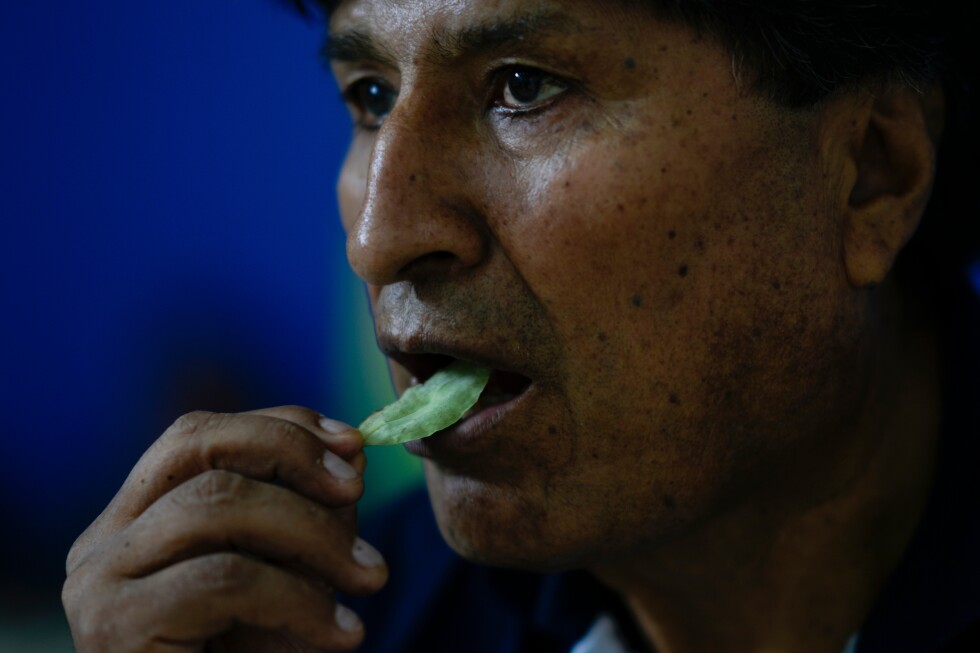
Bolivia’s political sphere has been thrown into turmoil following the unexplained absence of former socialist president Evo Morales, whose sudden withdrawal from public life has generated intense speculation across the South American nation. The iconic leader, who has maintained an active political presence despite facing an arrest warrant for human trafficking charges, has unexpectedly vanished from his usual public engagements since early January.
Morales’ unprecedented disappearance marks a dramatic shift for the firebrand politician who consistently maintained visibility through his weekly radio broadcasts, social media activity, and regular appearances with his coca-growing union in the Chapare region. His absence has become particularly conspicuous given his previous pattern of political engagement, even while evading judicial authorities.
Close associates have offered dengue fever as explanation for his absence, with Dieter Mendoza, vice president of the Six Federations coca growers’ union, stating Morales has been advised to rest completely. However, the extended nature of his disappearance has fueled skepticism and alternative theories among both supporters and political opponents.
The mystery has reignited historical tensions dating back to Morales’ 2019 resignation under military pressure following his controversial bid for a third term. Right-wing lawmaker Edgar Zegarra has boldly claimed, without evidence, that Morales has fled to Mexico, echoing the former president’s previous exile pattern. Meanwhile, police officials have cryptically confirmed only that Morales hasn’t left Bolivia through official channels.
This political drama unfolds against Bolivia’s significant ideological shift following the October election of centrist President Rodrigo Paz, who has moved to reverse Morales’ anti-American policies by reestablishing relations with the United States, including potential DEA involvement—a particularly sensitive issue in coca-growing regions still traumatized by 1990s drug wars.
The uncertainty surrounding Morales’ whereabouts has provided ammunition for conservative critics who accuse the government of failing to execute an outstanding arrest warrant. Former presidential candidate Jorge Quiroga has intensified pressure on the Paz administration, declaring that Morales is “making a mockery of the state” by evading justice.
Despite the speculation, Morales retains substantial grassroots support, with loyalists vowing to resist any security operations in the Chapare region. His inner circle maintains an enigmatic stance, with former senator Leonardo Loza offering only that Morales is “doing very well” in “a corner of our greater homeland,” leaving Bolivia’s political future hanging in the balance.