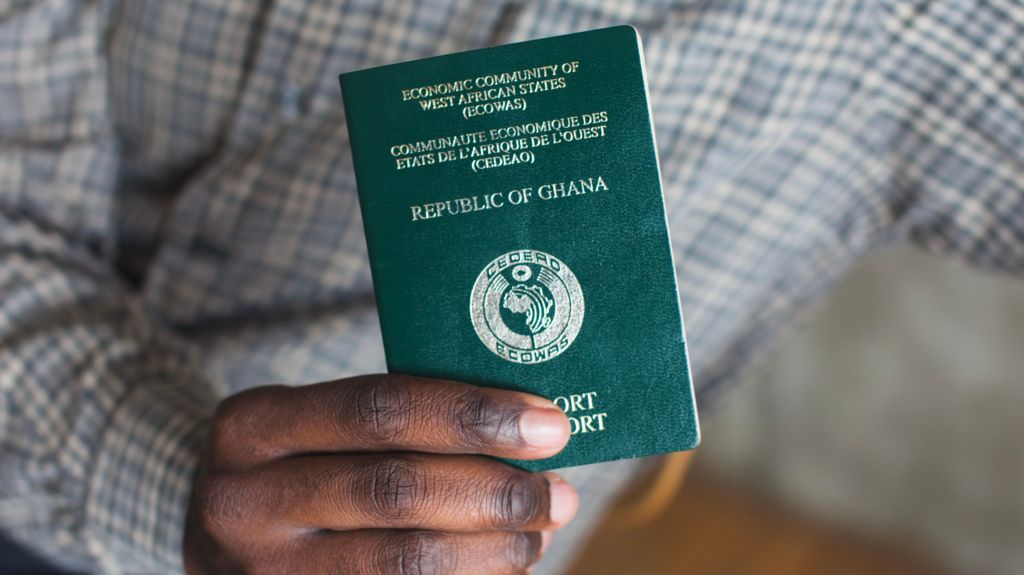
Ghana has temporarily suspended citizenship applications for members of the African diaspora as authorities work to streamline what many applicants describe as a challenging and costly process. The program, established in 2016, enables individuals who can demonstrate African ancestry—particularly descendants of transatlantic slave trade victims—to obtain Ghanaian nationality.
This initiative has attracted significant interest, with over 1,000 people securing citizenship in recent years, including renowned African American musician Stevie Wonder. However, the application process has faced criticism for its complexity and financial barriers.
Dr. Erieka Bennet, ambassador for the Diaspora African Forum, highlighted several practical obstacles facing applicants. The requirement to submit DNA evidence within one week of application has proven particularly problematic, with many describing the timeframe as “impossible” to meet. Questions regarding the reliability of DNA testing have also emerged among potential candidates.
The financial commitment presents another significant hurdle. While the initial application fee is $136, shortlisted candidates must pay an additional $2,280 before undergoing vetting, attending a citizenship orientation, and finally receiving their nationality at a ceremony presided over by President John Mahama.
The suspension has created uncertainty for those planning relocations or investments, though government officials have indicated that updated timelines and guidelines will be issued “in due course.” Dr. Bennet remains optimistic that the issues will be resolved and the application process will resume.
Ghana’s diaspora outreach program stems from the Pan-African vision championed by the nation’s first president, Kwame Nkrumah, following independence. The program was revitalized in 2019 as the “Year of Return,” reigniting global interest in reconnecting with Ghana. Today, diaspora members frequently invest in real estate, agriculture, technology, and small businesses, with citizenship enabling property ownership, voting rights, and access to public services.
Other African nations, including Benin and Sierra Leone, offer similar citizenship pathways based on verified ancestral connections, though Ghana’s program remains among the most prominent initiatives of its kind.