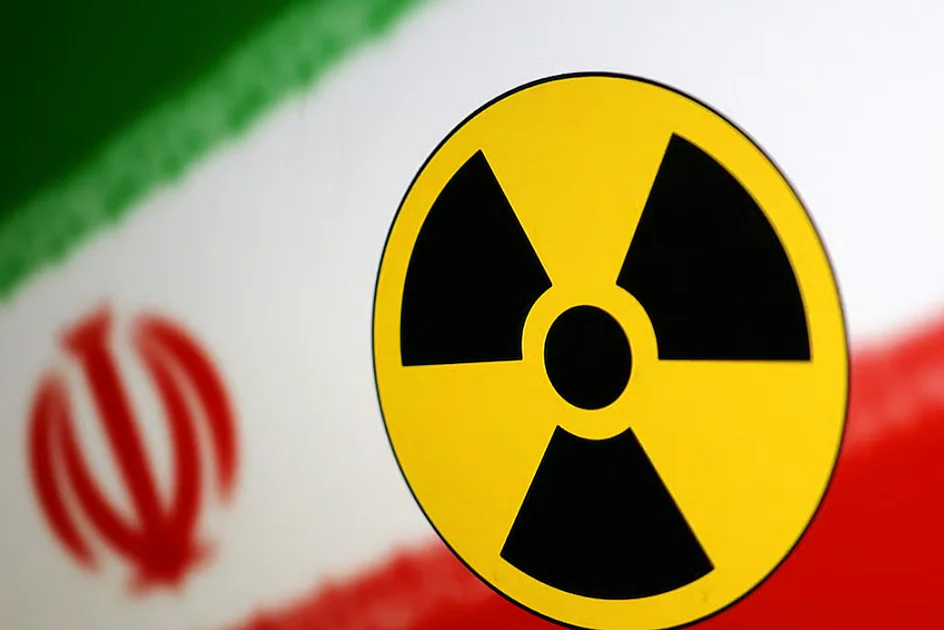
Diplomatic channels between the United States and Iran show signs of reactivation as both nations demonstrate willingness to resume negotiations concerning Tehran’s nuclear program. According to a foreign ministry official speaking on Monday, Iranian authorities are currently evaluating the conditions for reengaging in dialogue with American representatives. This development emerges against a backdrop of escalating regional tensions, amplified by a substantial US naval presence near Iranian territorial waters following last month’s violent suppression of anti-government protests—the most severe domestic unrest since Iran’s 1979 revolution.
Multiple sources indicate that US Special Envoy Steve Witkoff and Iranian Foreign Minister Abbas Araghchi may convene in Turkey within coming days, with Turkish officials reportedly facilitating de-escalation efforts. The potential meeting represents a significant diplomatic opening amid heightened military posturing from both sides. President Donald Trump, who previously abstained from direct intervention during Iran’s domestic crackdown, has subsequently intensified pressure on Tehran through both military deployments and demands for nuclear concessions.
The negotiation framework remains contentious, with Washington historically insisting on three primary conditions: complete cessation of uranium enrichment, limitations on ballistic missile development, and termination of support for regional proxy forces. Iranian officials have consistently rejected these demands as violations of national sovereignty, though sources suggest Tehran might demonstrate flexibility regarding enrichment activities. Specifically, Iranian officials indicate readiness to transfer 400 kilograms of highly enriched uranium abroad and potentially accept zero enrichment under a consortium arrangement, provided the United States removes preconditions and reduces military assets near Iran’s borders.
Satellite imagery analysis reveals preliminary reconstruction efforts at nuclear facilities in Isfahan and Natanz previously damaged during joint US-Israeli airstrikes in June last year. While new roofing appears on two destroyed structures, no comprehensive rebuilding is evident. The International Atomic Energy Agency continues seeking clarification regarding Iran’s current highly enriched uranium stockpiles, with Western nations expressing concern about potential weapons development—a claim Tehran consistently denies, maintaining its nuclear program serves exclusively peaceful purposes.
The diplomatic impasse, stalled since May 2023 after five inconclusive negotiation rounds, centers on Iran’s insistence on maintaining domestic enrichment capabilities and retaining existing uranium stockpiles. Iranian sources suggest a potential compromise involving uranium shipment abroad and temporary enrichment pause in exchange for sanctions relief, indicating that ballistic missile programs rather than nuclear activities presently constitute the more significant negotiation obstacle.