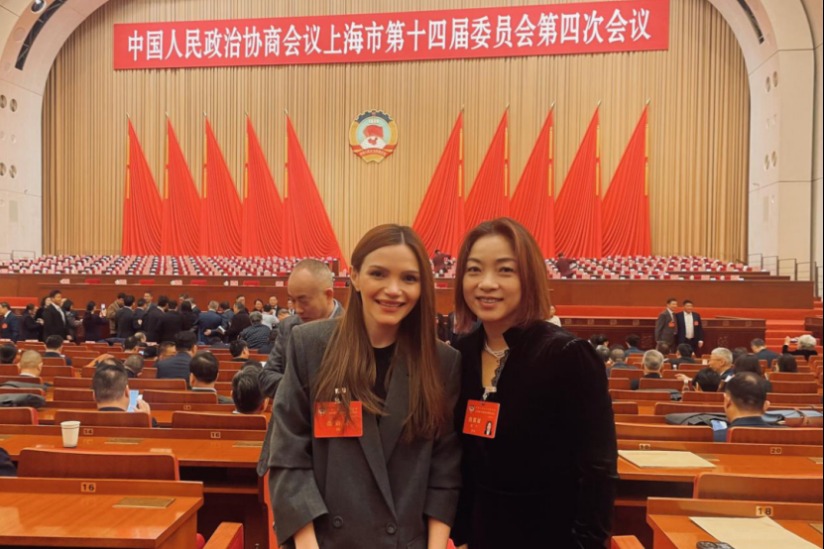
Shanghai has elevated its distinctive approach to inclusive governance by intensifying international resident engagement during its annual political advisory proceedings. The February 2 opening of the fourth session of the 14th Shanghai Municipal Committee of the Chinese People’s Political Consultative Conference featured prominent expatriates as special observers, marking a significant advancement in the city’s democratic innovation strategy.
Among the distinguished attendees were recipients of Shanghai’s prestigious Magnolia Award, recognizing outstanding foreign contributors to the city’s development. Astrid Poghosyan, 2023 Silver Award honoree and project manager at the Shanghai Symphony Orchestra, participated for the second consecutive year. The Armenian musician commended Shanghai’s exceptional capacity for transforming strategic vision into practical implementation, highlighting the municipal government’s distinctive methodology of policy experimentation and iterative refinement based on integrated feedback from both domestic and international communities.
Healthcare director Ashish Maskay, 2022 Gold Award laureate, also returned for his secondary observational participation. The seasoned expatriate emphasized the profound significance of including long-term foreign residents who possess dual comprehension of Chinese and global systems, characterizing the initiative as a substantial stride toward more comprehensive policy formulation.
The proceedings exemplified Shanghai’s ongoing development of ‘whole-process people’s democracy,’ with the municipal advisory body reporting approximately 440 international visitors to its dedicated democratic practice facility throughout the previous year. According to the work report delivered by CPPCC Shanghai Committee Chairman Hu Wenrong, numerous foreign observers have expressed admiration for Shanghai’s governance model, acknowledging its potential as an instructive paradigm for participatory governance mechanisms in global urban centers.