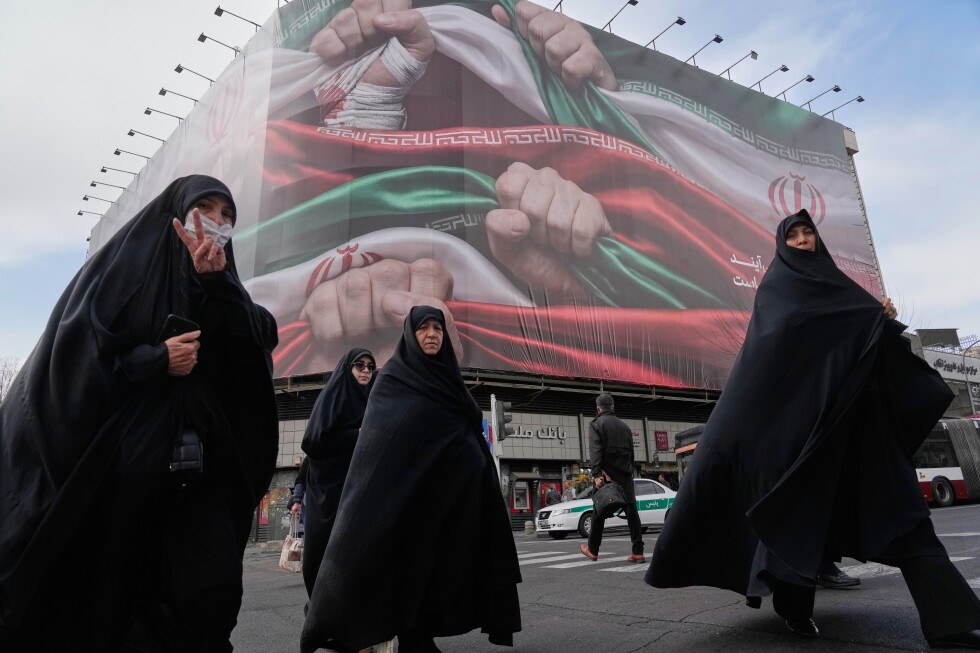
DUBAI, United Arab Emirates — Iran has initiated a significant diplomatic escalation by summoning European Union ambassadors in Tehran to formally protest the bloc’s recent designation of Iran’s Revolutionary Guard as a terrorist organization. The move comes amid heightened regional tensions and the potential threat of U.S. military action in response to Iran’s crackdown on demonstrators and possible mass executions.
Iranian Foreign Ministry spokesman Esmail Baghaei confirmed that ambassador summons began Sunday and continued through Monday, characterizing the EU’s decision as “illegal, unreasonable and very wrong.” Baghaei indicated that Iranian authorities are preparing reciprocal measures, with decisions expected in coming days.
The EU’s designation last week specifically references the Revolutionary Guard’s role in suppressing nationwide protests in January that resulted in thousands of deaths and tens of thousands of detentions. This places the EU alongside the United States and Canada, which had previously classified the paramilitary force as terrorist entities.
Concurrently, Iran’s parliament speaker declared that Tehran now considers all European Union militaries to be terrorist organizations, invoking a 2019 law that mandates reciprocal responses to such designations.
The Revolutionary Guard, established during Iran’s 1979 Islamic Revolution as a protector of the clerical government, has evolved into a powerful parallel military force with substantial economic influence. Its expansion into private enterprise followed the Iran-Iraq war under Supreme Leader Ayatollah Ali Khamenei’s authorization.
Evidence emerging via Starlink satellites and other means indicates the Guard’s Basij force played a central role in the violent suppression of protests, with footage showing armed personnel shooting and beating demonstrators during internet blackouts that isolated Iran’s 85 million citizens.
Meanwhile, the Revolutionary Guard conducted naval exercises in the strategically critical Strait of Hormuz, through which twenty percent of globally traded oil passes. While Iran had notified shipping traffic of the drills, it hasn’t officially acknowledged their execution. The U.S. Central Command issued stern warnings against Iranian harassment of its warships and aircraft or interference with commercial vessel transit through the vital waterway.