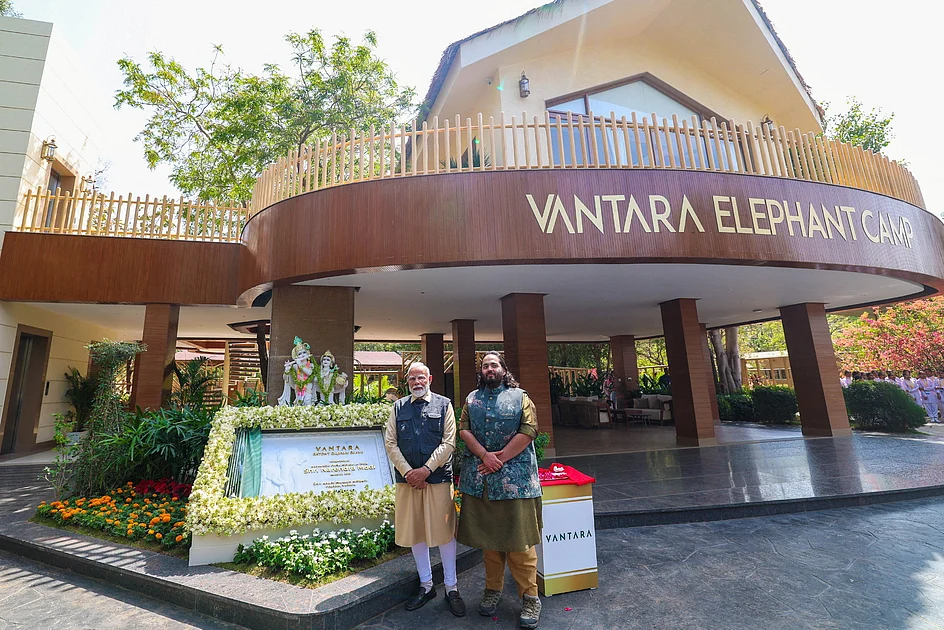
India’s newly implemented fiscal policy has introduced a substantial 30% customs duty on animal and bird imports, effective immediately. This legislative shift eliminates previous duty exemptions and presents significant financial challenges for conservation projects, most notably the ambitious Vantara zoo operated by the philanthropic division of Reliance, chaired by Asia’s wealthiest individual Mukesh Ambani.
Spanning 3,500 acres in Gujarat, Vantara houses approximately 2,000 species and represents India’s most extensive private zoological initiative. Unlike typically state-operated facilities, Vantara has engaged in substantial international animal transfers since 2022, importing species including cheetahs, rhinoceroses, and numerous reptiles from nations such as South Africa, United Arab Emirates, and Venezuela.
The government’s unexpected policy change provides no explicit justification, though analysts suggest it may aim to stimulate domestic breeding programs. Rajat Mohan, senior partner at AMRG Associates, notes that while import volumes remain limited, the financial implications for conservation projects are profound. Vantara maintains that it never engages in commercial animal transactions but bears substantial costs for insurance and freight during rescue and rehabilitation operations.
The zoo has previously faced international scrutiny after CITES, the UN wildlife trade monitoring body, identified discrepancies in trade documentation and raised concerns regarding origin verification protocols. Although India’s Supreme Court ultimately cleared Vantara of wrongdoing, European authorities continue monitoring its import activities closely.
According to Reuters analysis, Vantara’s shipments have reached a declared value of $9 million. A single 2023 consignment of 26 rare parrots from Germany demonstrated the financial impact, with $25,194 declared for insurance and freight costs that would now incur approximately $7,500 in additional taxes under the new regime.