Venezuela remains suspended in a state of paradoxical temporality following the dramatic capture of former President Nicolás Maduro by U.S. forces thirty days ago. The nation experiences both accelerated political transformation and agonizing stagnation as citizens grapple with profound uncertainty under the acting presidency of Delcy Rodríguez.
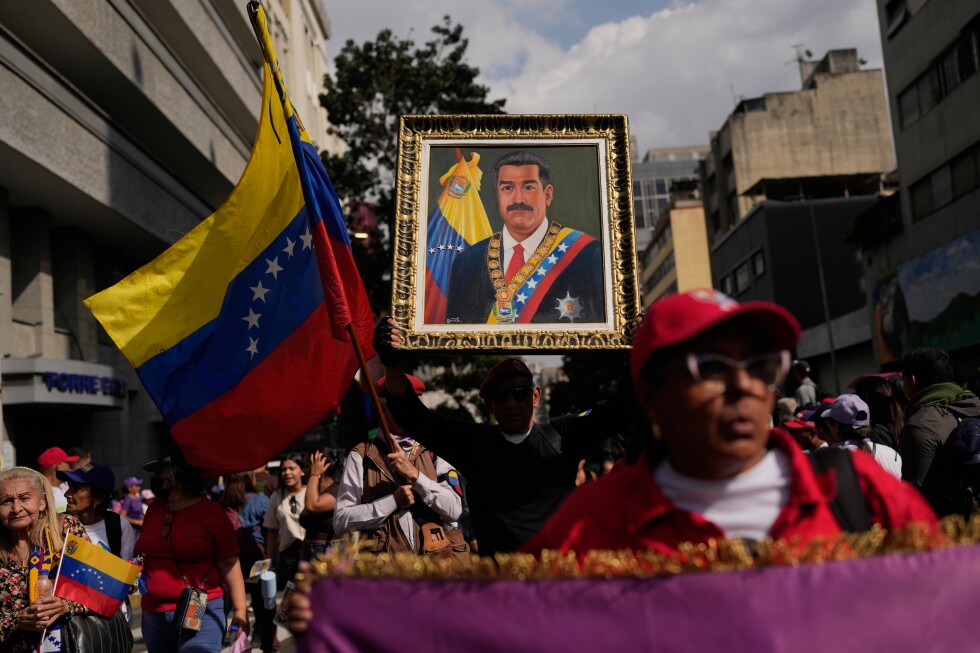
In Caracas, government propaganda demands Maduro’s release while residents question whether Rodríguez exercises genuine autonomy or capitulates to White House directives. The acting president attempts to project authority, insisting Venezuela ‘does not accept orders from any external factor,’ yet her administration has swiftly enacted sweeping reforms previously unthinkable under Chavismo.
The most significant policy shift came Thursday with the legislative approval of Rodríguez’s energy sector overhaul, effectively abandoning a core tenet of Chavismo by opening state-owned oil resources to privatization. This strategic pivot follows President Trump’s assertion that his administration would control Venezuelan oil exports to revitalize the industry through foreign investment.
Meanwhile, the political landscape shows tentative signs of transformation. Long-silent opposition figures have begun reemerging, with privately-owned media airing segments featuring opposition leader María Corina Machado for the first time in years. Dozens of citizens maintain vigils outside prisons demanding release of political detainees.
Despite these developments, pervasive fear persists among the population. Many Venezuelans practice rigorous self-censorship, avoiding political discourse on social media and even during video calls. No large demonstrations demanding governmental change have materialized, and wanted posters of opposition figures remain displayed at official facilities.
The human dimension of this crisis manifests in personal stories like that of Margaret García, a teacher whose son experienced severe trauma following the January 3rd operation that killed dozens. While condemning the violence, García acknowledges potential economic improvements under Rodríguez’s administration, capturing the complex dichotomy of hope and apprehension defining Venezuela’s current reality.
As the nation balances between potential economic relief and ongoing political repression, the fundamental question remains whether Rodríguez’s leadership represents genuine change or merely Maduro’s legacy under a different name.