Professional golf stands at a pivotal crossroads as seismic player movements threaten to reshape the competitive landscape. The recent return of Brooks Koepka to the PGA Tour, followed by Patrick Reed’s confirmed departure from LIV Golf, has ignited intense speculation about the Saudi-backed circuit’s long-term viability.
Koepka’s reinstatement required intricate negotiations, resulting in a customized agreement that bypassed standard protocols. Meanwhile, Reed’s transition unfolds through a different pathway. The 2018 Masters champion has recommitted to the DP World Tour, leveraging his honorary lifetime membership. Currently ranked 29th in the Official World Golf Ranking, Reed has virtually guaranteed his participation in all four Majors while positioning himself for PGA Tour reinstatement in 2027 via the Past Champions category.
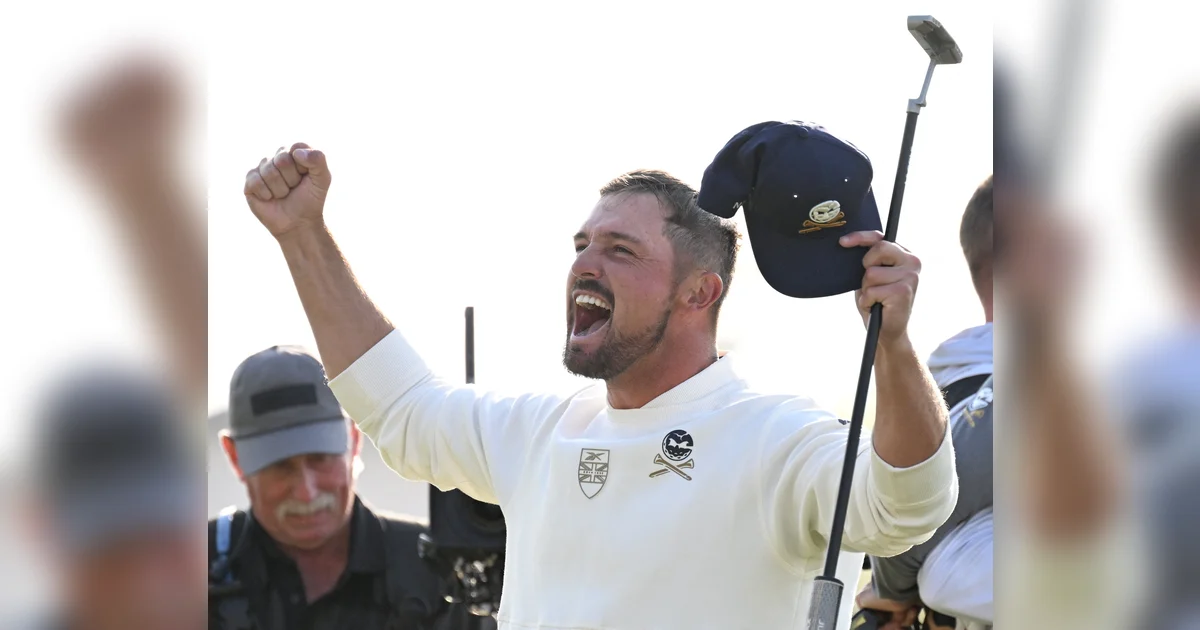
The spotlight now intensifies on Bryson DeChambeau, who represents the most compelling case study in golf’s ongoing power struggle. Publicly committed to LIV Golf through 2026 as captain of Crushers GC, DeChambeau commands unprecedented leverage. Industry insiders suggest his retention cost could approach $500 million—staggering figures that dwarf the estimated $50-85 million Koepka forfeited for his early return.
DeChambeau’s influence transcends conventional metrics. With a combined social media following exceeding 8.8 million across platforms, he has cultivated a digital empire that generates substantial independent revenue. This global brand presence arguably rivals the institutional reach of both tours themselves, making him perhaps the most powerful individual voice in contemporary golf.
The underlying tension between tradition and innovation continues to redefine professional golf’s economics. LIV’s Saudi-backed entry forced the PGA Tour to dramatically elevate prize money, while simultaneously creating a player mobility crisis. Current negotiations behind closed doors suggest increasingly flexible regulations as both circuits jockey for competitive advantage.
This evolving saga represents more than financial maneuvering—it reflects fundamental questions about legacy, career autonomy, and the sport’s future direction. As the February 2 deadline passed without action from DeChambeau, Jon Rahm, or Cam Smith, the golf world awaits the next chapter in this high-stakes transformation.