In a controversial decision with far-reaching implications for international cricket, the Pakistani government has granted its national team permission to compete in the upcoming ICC T20 World Cup while simultaneously mandating a boycott of its high-profile group stage match against arch-rival India.
The tournament, co-hosted by India and Sri Lanka and featuring twenty national teams, commences this Saturday. The Pakistani squad will conduct all its matches in Sri Lanka, a logistical arrangement necessitated by the persistent political tensions between Islamabad and New Delhi.
Official communication from the Government of the Islamic Republic of Pakistan, disseminated via its verified social media channel, explicitly stated: “The Pakistan Cricket Team shall not take the field in the match scheduled on 15th February 2026 against India.” No specific justification was provided for this selective boycott. However, the decision follows strong criticism from Pakistan Cricket Board (PCB) Chairman Mohsin Naqvi, who previously accused the International Cricket Council (ICC) of applying “double standards” in its scheduling. Naqvi had been particularly vocal regarding the ICC’s refusal to relocate Bangladesh’s matches to Sri Lanka, a team ultimately replaced by Scotland for the tournament. The PCB chairman presented the complex situation to Prime Minister Shehbaz Sharif, leaving the final participation decision to the government.
The ICC responded with a formal statement expressing deep concern, noting it was awaiting official confirmation from the PCB. The global governing body warned that Pakistan’s stance threatens “the spirit and sanctity” of world sporting events. “This position of selective participation is difficult to reconcile with the fundamental premise of a global sporting event where all qualified teams are expected to compete on equal terms,” the ICC asserted. While acknowledging governmental roles in national policy, the council emphasized that the boycott disadvantages global cricket and disappoints millions of fans, including those in Pakistan. The ICC urged the PCB to seek a “mutually acceptable resolution” and cautioned about the “significant and long-term implications” for Pakistan’s standing within the international cricket ecosystem.
The financial ramifications are substantial, as a Pakistan-India clash traditionally generates enormous broadcast revenue and sponsor interest. A forfeit would automatically award two points to India. This diplomatic friction extends beyond politics onto the pitch; last year during the Asia Cup in the UAE, Indian players notably refused to shake hands with their Pakistani counterparts.
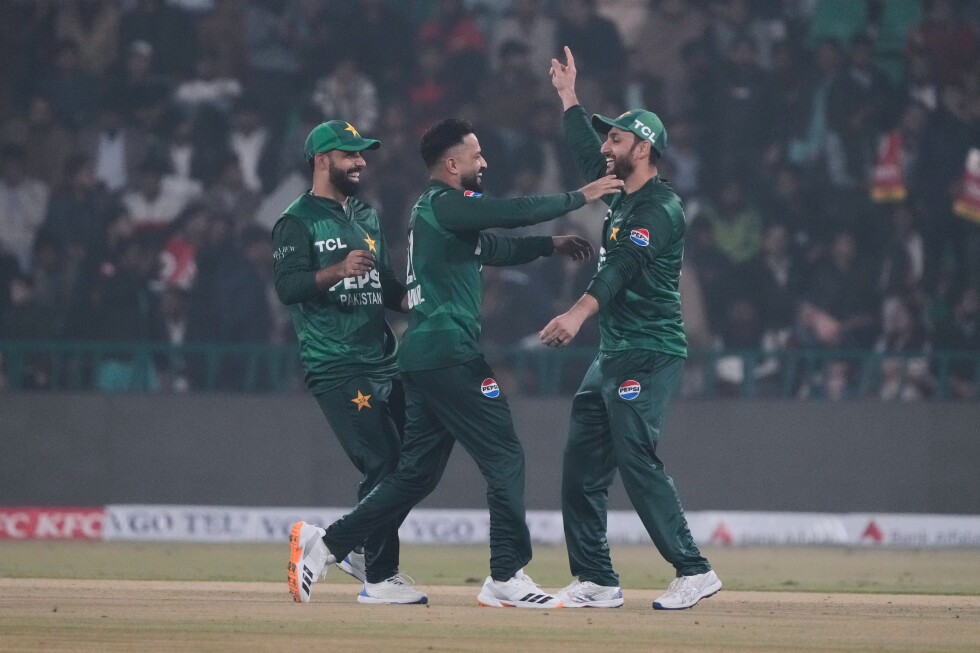
Team captain Salman Ali Agha, fresh from a 3-0 T20 series victory over Australia in Lahore, confirmed the team would comply with governmental directives. “It’s not our decision, we can’t do anything about it,” Agha stated. “We will do whatever our government and the PCB chairman say.” Pakistan’s tournament begins with a match against the Netherlands on Saturday, followed by fixtures against the U.S. on February 10th and Namibia on February 18th.