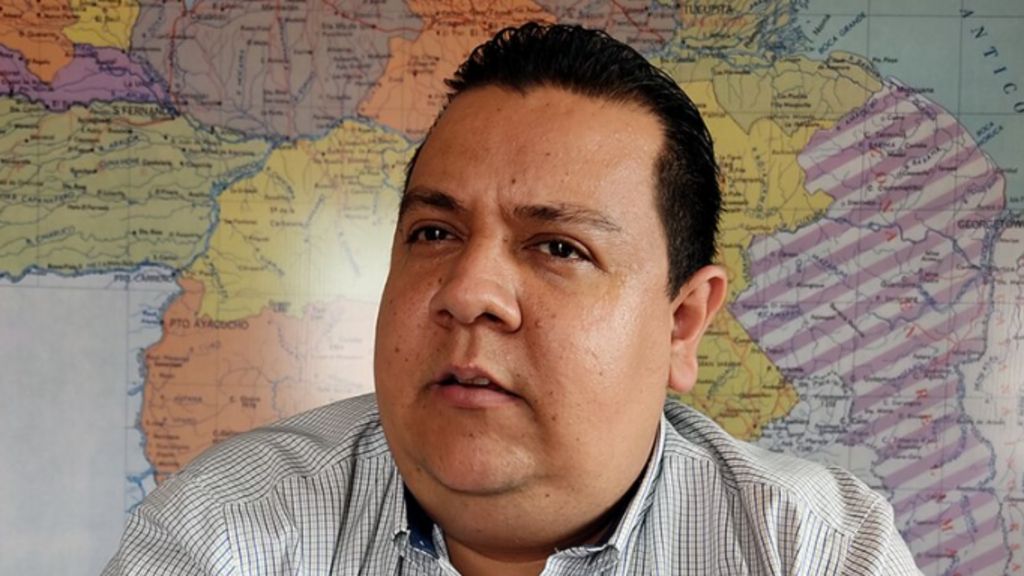
In a significant development within Venezuela’s political landscape, prominent human rights defender Javier Tarazona has been released from detention following increased international pressure for governmental reforms. Tarazona, who leads the non-governmental organization Fundaredes, had been incarcerated since July 2021 in the notorious El Helicoide prison facility located in Caracas.
The liberation was formally confirmed by Fundaredes on Sunday, marking another instance in a series of prisoner releases initiated by the Venezuelan government. This action aligns with recent announcements from acting President Delcy Rodríguez regarding proposed amnesty legislation intended to benefit hundreds of individuals currently detained for political reasons. The proposed bill additionally mandates the closure of the El Helicoide prison complex.
According to documentation by Foro Penal, a separate Venezuelan rights monitoring organization, over 300 political prisoners have secured their freedom since early January. Tarazona’s initial arrest stemmed from his allegations regarding connections between Venezuelan officials and Colombian guerrilla factions operating along the shared border. Government authorities had charged him with treason, terrorism, and incitement to hatred in response to these claims.
While welcoming Tarazona’s release, Fundaredes emphasized that this development does not negate the injustice endured during his detention, characterizing it as merely a preliminary step in addressing systematic issues of criminalization, persecution, and judicial irregularities.
The timing of these releases follows the dramatic capture of President Nicolás Maduro by United States special forces on January 3rd, which subsequently intensified demands for comprehensive political and economic restructuring within Venezuela. This event has galvanized families of detained opposition figures and human rights advocates to amplify their campaigns for prisoner releases and charge dismissals.
Although Venezuelan officials have historically denied maintaining political prisoners, the proposed amnesty law represents an acknowledgment of these longstanding concerns. Rodríguez described the legislation as instrumental in ‘healing the wounds of political confrontation, violence, and extremism.’ The National Assembly is anticipated to ratify the bill in the coming days.
However, Foro Penal notes that many recently freed individuals continue to face unresolved legal charges, creating a state of judicial uncertainty and restricting their ability to participate publicly in political discourse.