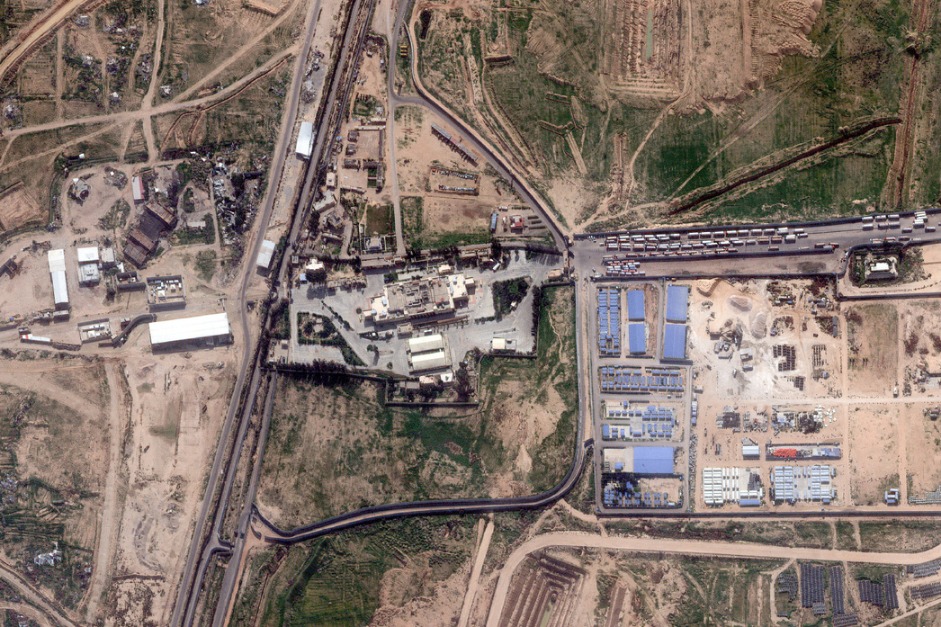
In a significant humanitarian development, Israeli authorities announced the provisional reopening of the Rafah border crossing on Sunday, February 1st, 2026. This strategic passage—Gaza’s primary connection to the external world—resumed operations under a carefully monitored pilot program designed to assess operational capabilities before full-scale implementation.
The reopening forms a critical component of the Israel-Hamas ceasefire agreement initially enacted on October 10, 2025. The Office of the Coordinator of Government Activities in the Territories (COGAT), an agency operating under Israel’s Defense Ministry, clarified that the crossing would initially accommodate pedestrian transit exclusively. ‘Today’s operational test aims to evaluate crossing mechanisms and procedures,’ an official statement noted.
Visual evidence from social media platforms confirmed the arrival of European Union delegation members at Rafah on Sunday morning. These officials comprise part of the international task force commissioned with managing crossing operations. Israeli authorities indicated that bidirectional movement of Palestinian residents would commence the following day (Monday), pending comprehensive Israeli security approval.
The reactivation of this vital corridor represents the most substantial opportunity for civilian movement since the ceasefire implementation, potentially affecting thousands seeking medical treatment, family reunification, and international travel. Satellite imagery dated January 29th had previously revealed substantial accumulation of transport vehicles near the crossing zone, highlighting long-standing humanitarian supply chain challenges.
This development occurs amid continuing diplomatic efforts to stabilize the region, with international observers closely monitoring the crossing’s operational sustainability and its broader implications for regional humanitarian access.