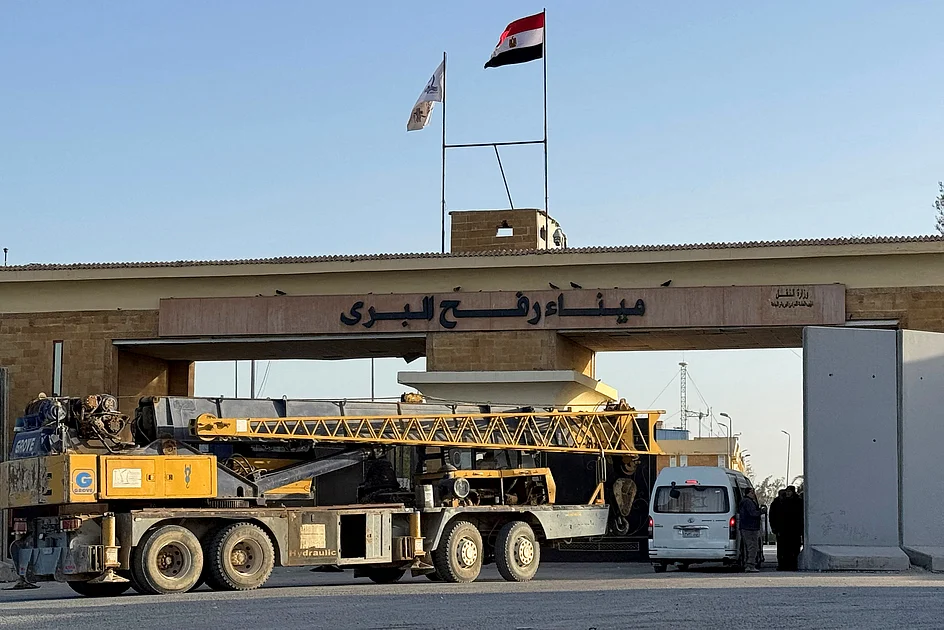
The Rafah border crossing, Gaza’s primary gateway to the outside world, is scheduled to resume operations on February 2nd following extensive coordination between Israeli, Egyptian, and European Union authorities. This development marks a significant humanitarian breakthrough after the crossing remained largely shuttered for nearly two years under Israeli military control.
According to COGAT, the Israeli military unit overseeing humanitarian coordination, the crossing will operate exclusively for pedestrian traffic in both directions. A preliminary pilot program was conducted on February 1st to assess operational readiness and security protocols. The reopening follows stringent security arrangements and comes as part of the initial phase of US-mediated peace initiatives aimed at resolving the Israel-Hamas conflict.
The reactivation of Rafah crossing holds particular importance for Gaza’s medical evacuation crisis. Palestinian health authorities report approximately 20,000 patients awaiting urgent medical treatment abroad, many with severe injuries from the prolonged conflict. Initial operations will prioritize the evacuation of critically ill patients accompanied by family members, with an estimated 200 individuals permitted to cross into Egypt daily during the initial phase. Meanwhile, approximately 50 people per day will be authorized to return to Gaza, primarily those who fled during earlier stages of hostilities.
Israeli defense officials indicate the crossing can process between 150-200 people daily in both directions combined. All crossing lists require prior approval from Israeli authorities following submission by Egyptian officials. This carefully controlled operation unfolds against a backdrop of continued tension, with recent airstrikes and violations of the October ceasefire underscoring the fragile nature of the current truce. The broader peace plan envisions eventual Palestinian technocratic governance, Hamas disarmament, and Israeli troop withdrawal supported by an international peacekeeping force, though significant disagreements persist regarding implementation.