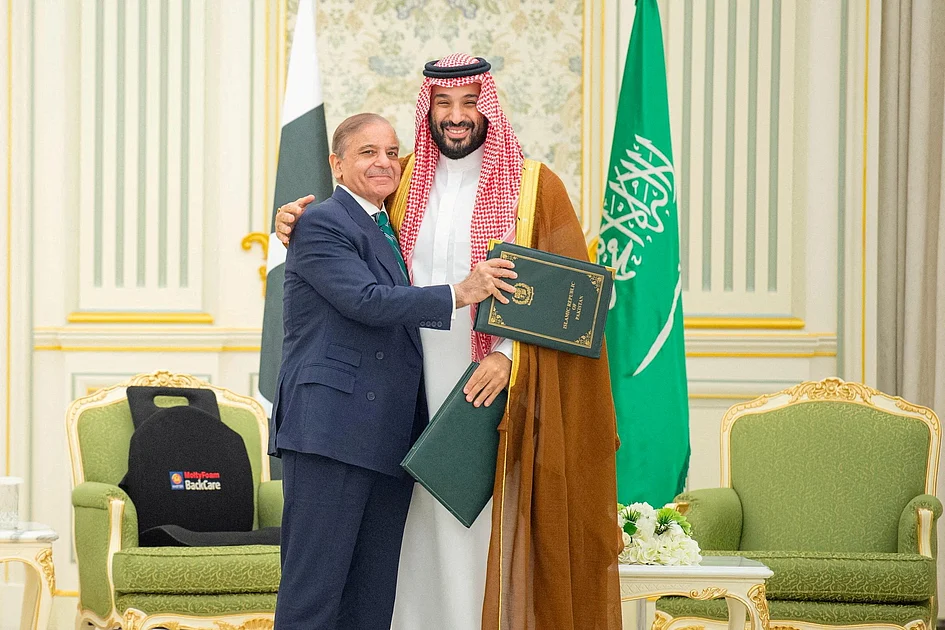
Saudi Arabian military sources have definitively stated that the recently established mutual defense agreement with Pakistan will remain exclusively bilateral, dismissing speculation about Turkish inclusion. This clarification comes following earlier reports from Turkish officials suggesting potential trilateral negotiations.
The defense pact, formally announced last year, has generated significant international attention due to its strategic implications in a region experiencing heightened tensions. These tensions escalated following Israeli airstrikes in Doha targeting Hamas officials and subsequent Iranian bombing of a US air base in Qatar.
A source within Saudi military circles explicitly told AFP: ‘Turkey won’t join the defense pact with Pakistan. It’s a bilateral pact with Pakistan and will remain a bilateral pact.’ This position was corroborated by a Gulf official who emphasized: ‘We have common agreements with Turkey but the one with Pakistan will stay bilateral.’
The agreement’s significance is magnified by Pakistan’s status as a nuclear power, raising questions about potential nuclear components to the arrangement. This development occurs against the backdrop of recent intensified conflict between Pakistan and India in May, which resulted in over 70 casualties through missile, drone, and artillery exchanges—the most severe clashes between these nuclear-armed neighbors since 1999.
Saudi Arabia played a crucial mediating role in de-escalating the Pakistan-India conflict, demonstrating Riyadh’s growing influence in regional security matters. Notably, Saudi Arabia maintains strong diplomatic and economic ties with India, which relies heavily on Saudi petroleum imports, with the Kingdom ranking as India’s third-largest oil supplier according to Indian foreign ministry data.