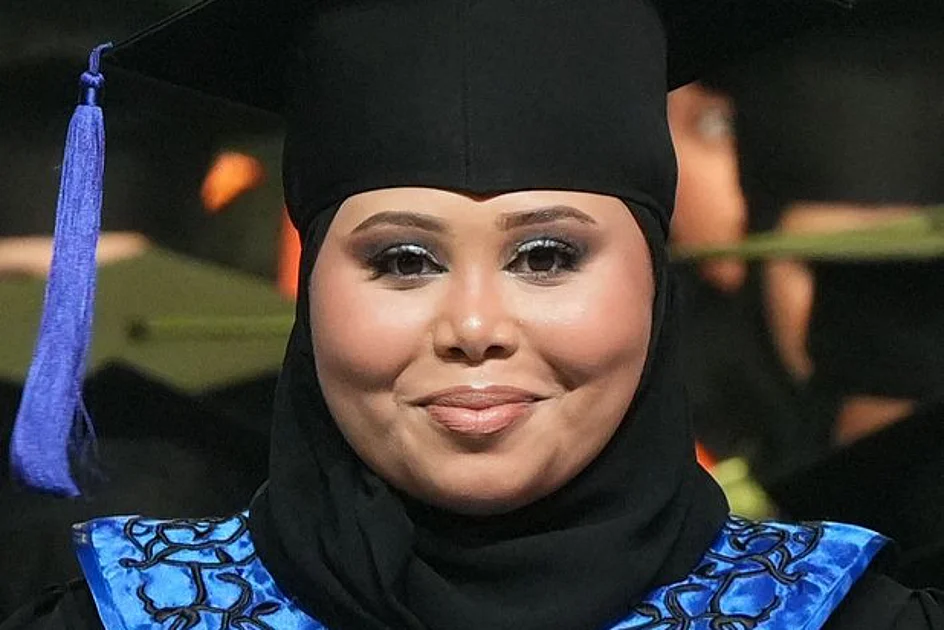
After enduring fourteen years of unexplained suffering, a 27-year-old UAE expatriate has finally received validation for her chronic pain condition. Shatha’s medical journey began at age twelve when mysterious symptoms emerged—debilitating fatigue, migratory pain patterns, and non-restorative sleep that defied conventional diagnosis.
According to Dr. Sehriban Diab, Consultant Rheumatologist at Sheikh Shakhbout Medical City (SSMC), fibromyalgia represents a complex neurological disorder characterized by amplified pain signaling pathways. “Patients primarily experience muscular and connective tissue discomfort rather than joint inflammation,” Dr. Diab explained, noting accompanying symptoms including cognitive dysfunction, sleep disturbances, and gastrointestinal complications.
The diagnostic challenges are particularly acute, as fibromyalgia lacks definitive biomarker testing. Physicians must rely on clinical evaluation and exclusionary diagnostics to differentiate it from thyroid disorders, nutritional deficiencies, and other autoimmune conditions.
Shatha’s breakthrough came through SSMC’s multidisciplinary approach that addressed psychological dimensions alongside physical symptoms. Mais Jawhari, Senior Physiotherapist at SSMC, emphasized that “every fibromyalgia case presents uniquely—Shatha’s root causation was psychologically anchored in childhood trauma.”
Her personalized treatment protocol incorporated psychological support, acupuncture for anxiety and sleep regulation, and structured exercise programming. “Movement constitutes a fundamental therapeutic component,” Jawhari noted, “but requires careful calibration to avoid symptom exacerbation.”
The results proved transformative. Shatha has now embraced Muay Thai martial arts as both physical rehabilitation and psychological empowerment, recently preparing for competitive tournament participation. While occasional pain persists, she reports dramatically improved quality of life and functional capacity.
Medical professionals stress that despite diagnostic delays averaging 1-2 years, comprehensive care can achieve 70-80% symptom control. Jawhari challenges the term “chronic” as potentially limiting: “The diagnosis remains, but ongoing suffering doesn’t have to.”