As Eastern Europe braces for historically low temperatures, Ukrainian civilians face a dire humanitarian crisis caused by targeted Russian attacks on energy infrastructure. Yulia Hailunas, a resident of Dnipro, exemplifies the struggle as she endures subzero conditions inside her own apartment, clad in thermal layers and using makeshift heating methods like hot water pans and exercise to combat the cold.
The situation threatens to worsen dramatically with forecasts predicting temperatures plunging below -20°C this weekend. “That’s what’s really scary,” Yulia expresses, “because all the heating pipes will burst and we won’t be able to repair them again. It will be a catastrophe.”
This crisis unfolds against the backdrop of a questionable diplomatic development. Former US President Donald Trump announced that Vladimir Putin had agreed to a temporary halt in attacks on Ukraine’s major cities during the extreme cold snap. The Kremlin subsequently clarified that this purported goodwill gesture would expire on Sunday, coinciding with the anticipated coldest weather.
Meanwhile, the conflict continues unabated in other regions. On Friday, shelling in Kherson killed one person and injured several others, while drone attacks persist across the country. Along the eastern frontline, fighting remains intense, forcing continued civilian evacuations.
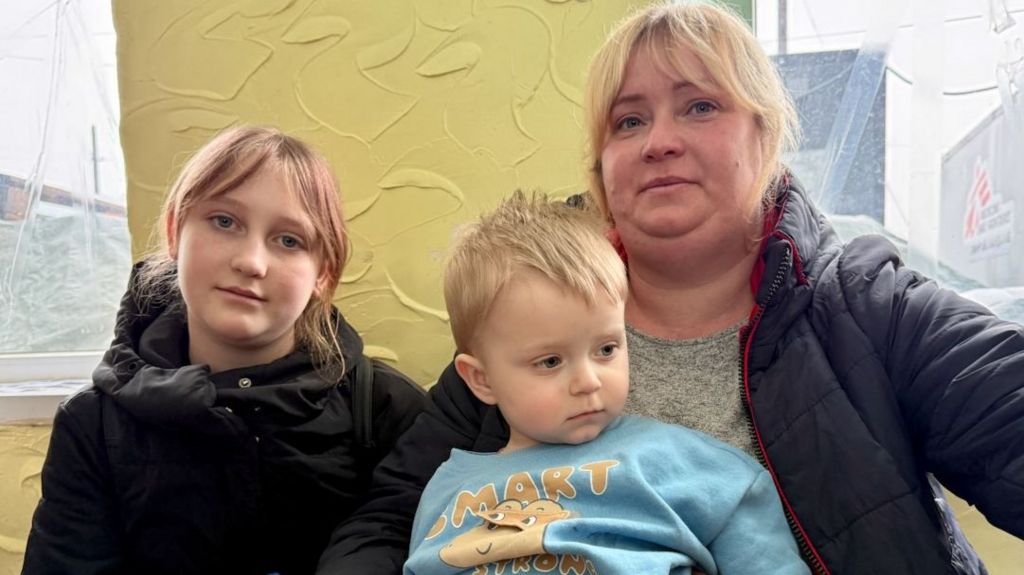
At a displacement center in Pavlohrad, approximately 40 miles from the front, families arrive dazed and uncertain about their future. Kateryna, who fled Vasylkivka with her two young children, described the emotional toll: “It’s like abandoning a piece of yourself.” Her mother Iryna detailed the increasing violence: “Our village wasn’t touched at first, but now it’s a total combat zone. The drones are hitting every day.”
The energy grid attacks represent a clear violation of the Geneva Convention, which prohibits infrastructure attacks causing excessive harm to civilians. Ukraine’s heating system, targeted for four consecutive winters, grows increasingly fragile with each assault. Engineers from various sectors, including the national rail company, work tirelessly to restore electricity and repair damaged heating pipes beneath apartment complexes.
While Ukraine has reciprocated by halting strikes on Russian oil infrastructure as a goodwill gesture in peace talks, Russian officials have actively dampened expectations of any imminent agreement. With another round of negotiations scheduled in the United Arab Emirates, civilians like Iryna remain skeptical: “Of course we are following the talks, we want some stability. But how can we trust Russia not to stab us in the back?”
From the darkness and cold of their damaged homes, many Ukrainians perceive Moscow’s diplomatic gestures as mere manipulation tactics rather than genuine steps toward peace.