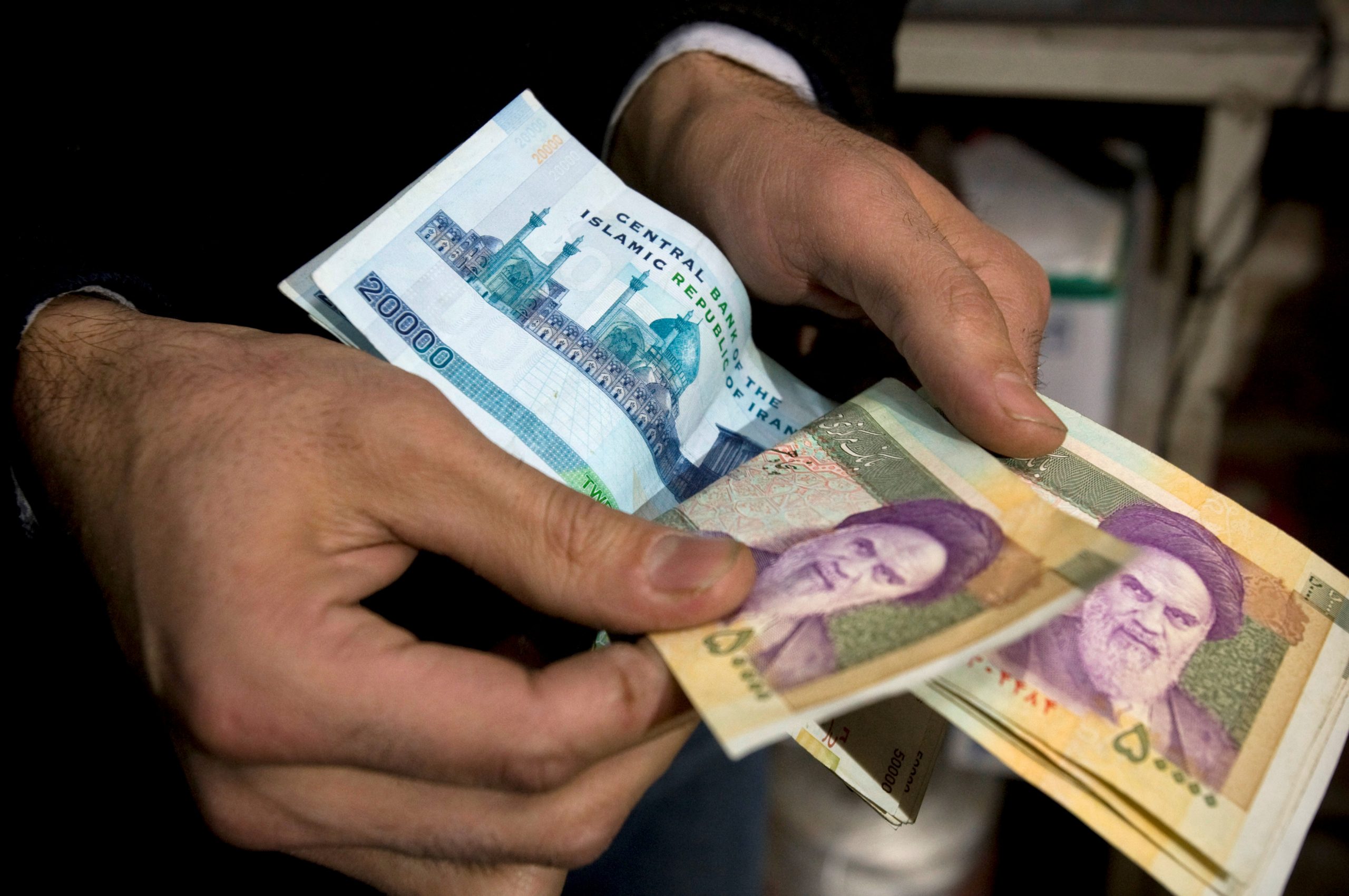
A catastrophic currency collapse has plunged Iran into its most severe domestic crisis since the 1979 revolution, triggering nationwide protests and drawing international condemnation. In early January 2026, the Iranian rial’s value plummeted so dramatically that major currency tracking systems briefly displayed it as worthless ($0.00), rendering it untradeable on global platforms. This economic freefall sparked initial demonstrations in Tehran’s historic bazaar district that rapidly escalated into countrywide unrest.
Unlike previous protest movements, this uprising originated within Iran’s merchant class—traditionally government supporters—who framed their rebellion as a “battle for survival” against deteriorating economic conditions. The decentralized protests drew participation from students, labor groups, and minority communities without centralized leadership, making them both pervasive and difficult to suppress.
Official government estimates acknowledge over 3,000 fatalities, though independent sources suggest the death toll may reach 30,000. On January 23, 2026, the UN Human Rights Council launched an urgent investigation into what it termed a “brutal crackdown” on demonstrators.
The crisis stems from decades of economic mismanagement exacerbated by comprehensive international sanctions. In 2025, Iran faced perfect storm conditions: energy shortages, Israeli attacks on infrastructure, extreme drought creating “water bankruptcy,” and the restoration of UN sanctions after European powers activated the JCPOA’s trigger mechanism. Executive Order 13902, expanded throughout 2025, systematically targeted Iran’s oil, shipping, and financial networks, while American authorities disrupted billions in “shadow banking” operations across China, Hong Kong, and UAE.
Despite exporting more oil, Iran’s reliance on intermediaries and steep discounts minimized profits. As hard currency access diminished, the rial lost approximately 50% of its value in eleven months. The government’s attempts to stabilize through money printing created hyperinflation, with food prices soaring past 70% after implementing a three-tier gasoline pricing system.
The currency collapse mirrors Venezuela’s economic trajectory, where years of sanctions and poor policies led to hyperinflation and eventual dollarization. Similarly, Iran’s managed exchange rate system became largely symbolic as black market rates became the actual benchmark.
International responses have intensified the crisis. The US announced new sanctions and threatened military action, with President Trump warning on Truth Social: “Time is running out, it is truly of the essence!” Western nations and regional adversaries have allegedly exploited the unrest, with Israel’s Mossad claiming operational presence and reportedly smuggling Starlink terminals to bypass government censorship.
Iranian authorities accuse external forces—particularly the US, Israel, and exiled opposition group MEK—of orchestrating the unrest. The MEK, removed from the US terrorism list in 2012, has gained renewed Western support with thousands of European lawmakers and US Congress members endorsing its political umbrella organization as a government alternative.
Despite the scale of protests, Iran’s security apparatus remains entrenched, though the economic costs of suppression are unsustainable long-term. The crisis has forced Tehran to focus inward, potentially limiting its regional proxy activities and nuclear ambitions temporarily. However, the situation remains volatile with potential for further escalation as economic pressures continue to mount.