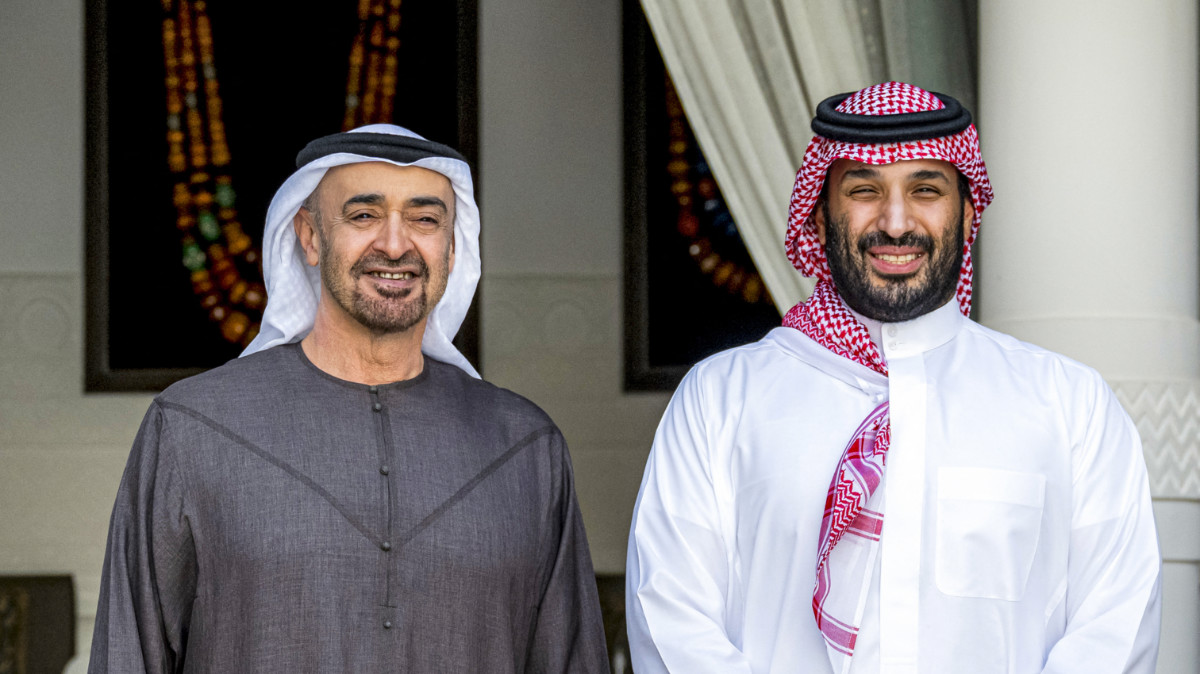
A profound geopolitical realignment is underway in the Gulf region as the United Arab Emirates and Saudi Arabia, once steadfast allies, engage in an increasingly public confrontation that spans multiple conflict zones and economic arenas. This strategic divergence marks a significant shift from the 2017 Qatar blockade, when both nations presented a unified front against Doha with vocal support from then-President Donald Trump.
The current rift has manifested through direct military competition in Yemen, where Saudi forces have targeted Emirati-backed separatists, and expanded into African theaters including Sudan and Libya. Riyadh is reportedly coordinating with Pakistan to arm Sudanese government forces against the UAE-supported Rapid Support Forces paramilitary group. Simultaneously, both nations are engaged in an intense information war, with Saudi media outlets accusing the UAE of being “Israel’s Trojan horse in the Arab world” while Emirati commentators counter with allegations of antisemitism.
Unlike his interventionist approach during the Qatar crisis, President Trump has maintained notable silence regarding the escalating UAE-Saudi tensions. This restraint appears calculated, given the extensive business interests the Trump family and associates maintain across the Gulf region. Recent developments include $10 billion luxury projects in Saudi Arabia, high-rise constructions in Dubai, and golf resorts in Qatar and Oman—all connected through Dar al-Arkan, a Saudi-linked development conglomerate.
Trump’s Middle East advisors, including Jared Kushner and businessman Steve Witkoff, have cultivated financial relationships throughout the region. Kushner’s Affinity Partners received investments from Saudi Arabia, UAE, and Qatar, while Witkoff’s connections span from Qatari deals to Emirati cryptocurrency investments involving Trump’s sons. This complex web of financial interests creates significant disincentives for choosing sides in the burgeoning Gulf rivalry.
The strategic calculus extends beyond personal business concerns. Saudi Arabia offers the larger economic opportunity as the Arab world’s only G20 economy with double the UAE’s GDP, though both have pledged trillion-dollar investments in the US economy. Regional experts note that Saudi Arabia pursues a broader vision of Islamic leadership while the UAE employs a more targeted strategy of global alliance-building through economic and military partnerships.
Complicating matters further are divergent approaches to China and Israel. US intelligence officials express concerns about UAE’s technological cooperation with Beijing, while Saudi Arabia maintains greater skepticism toward Trump’s Gaza policies compared to the UAE’s emerging role as Israel’s primary Arab partner and potential reconstruction funder.
As the situation evolves, Trump administration officials indicate preference for maintaining relationships with both powers rather than mediating their dispute—a marked departure from previous US approaches to inter-Gulf conflicts. The outcome of this strategic competition will likely reshape Middle Eastern alliances and influence US foreign policy in the region for years to come.