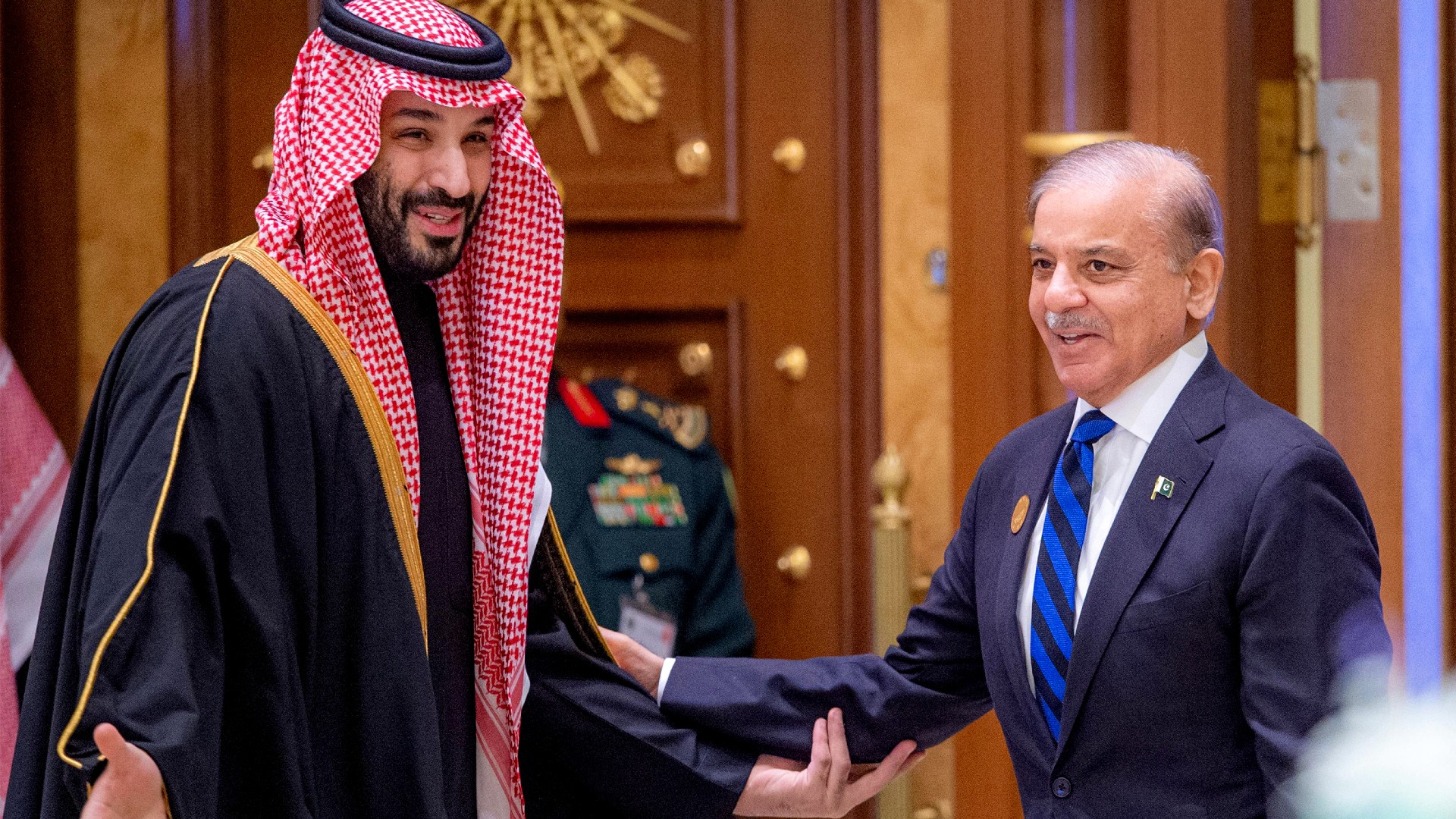
Pakistan’s burgeoning defense exports, particularly its JF-17 Thunder multirole fighter jets, are becoming increasingly entangled in the geopolitical rivalry between Saudi Arabia and the United Arab Emirates across conflict zones in Libya and Sudan. This complex situation presents Islamabad with significant diplomatic and strategic challenges as it seeks to balance its military partnerships.
Recent reports indicate Pakistan has negotiated multi-billion dollar defense packages with both the Libyan National Army (LNA) and Sudan, though these agreements remain shrouded in complexity. A $4 billion agreement with the Benghazi-based LNA, reportedly backed by Emirati financing, would supply JF-17 fighters and Super Mushshak trainers. Simultaneously, a potential deal with Sudan appears connected to Saudi Arabia’s offer to convert $2 billion in Pakistani loans in exchange for military equipment.
The JF-17 Thunder, a joint venture between Pakistan’s Aeronautical Complex and China’s Chengdu Aircraft Corporation, has gained market traction as an affordable alternative to Western fighters. With unit costs ranging from $25-42 million compared to $70-130 million for competitors like the F-16 Block 70 or Dassault Rafale, the platform appeals to budget-conscious militaries in Southeast Asia and Africa. The aircraft’s performance during the limited India-Pakistan conflict of May 2025 reportedly enhanced its combat credibility.
However, Pakistan faces substantial constraints in fulfilling these orders. Production capacity appears limited to approximately 25 aircraft annually, with the supply chain dependent on Chinese strategic systems and Russian engines. Furthermore, deliveries to conflict zones under UN embargo raise legal and diplomatic complications. The Saudi-backed Sudanese government and Emirati-supported Rapid Support Forces represent opposing sides in Sudan’s civil war, while in Libya, the LNA opposes the UN-recognized Tripoli government.
Pakistan’s historical relationships with Gulf Cooperation Council countries add layers of complexity. While maintaining military ties across the Arab world, including pilot training programs dating to 1967, Islamabad’s recent “strategic mutual defense agreement” with Saudi Arabia and its “Three Brothers Alliance” with Turkey and Azerbaijan suggest Riyadh would receive priority if Pakistan were forced to choose. Additionally, Turkey’s role as a key defense partner and major client for joint programs further influences Pakistan’s strategic calculations.
Industry analysts suggest Pakistan will likely avoid direct arms sales to embargoed regions, prioritizing instead more stable clients like Azerbaijan, with which deliveries are already underway. Prospective deals with Indonesia and Bangladesh offer more reliable financial frameworks than the precarious agreements linked to Gulf rivalries. As defense industrial partnerships grow increasingly interconnected with great power competition, Pakistan’s careful navigation of these murky waters will test its diplomatic acumen and industrial capabilities.