HAVANA — Three years after her previous assignment, Caribbean correspondent Dánica Coto returned to a Cuba transformed by escalating economic hardship and infrastructure decay. In an exclusive interview with AP editor Laura Martínez, Coto documented a nation grappling with unprecedented challenges that permeate every aspect of daily life.
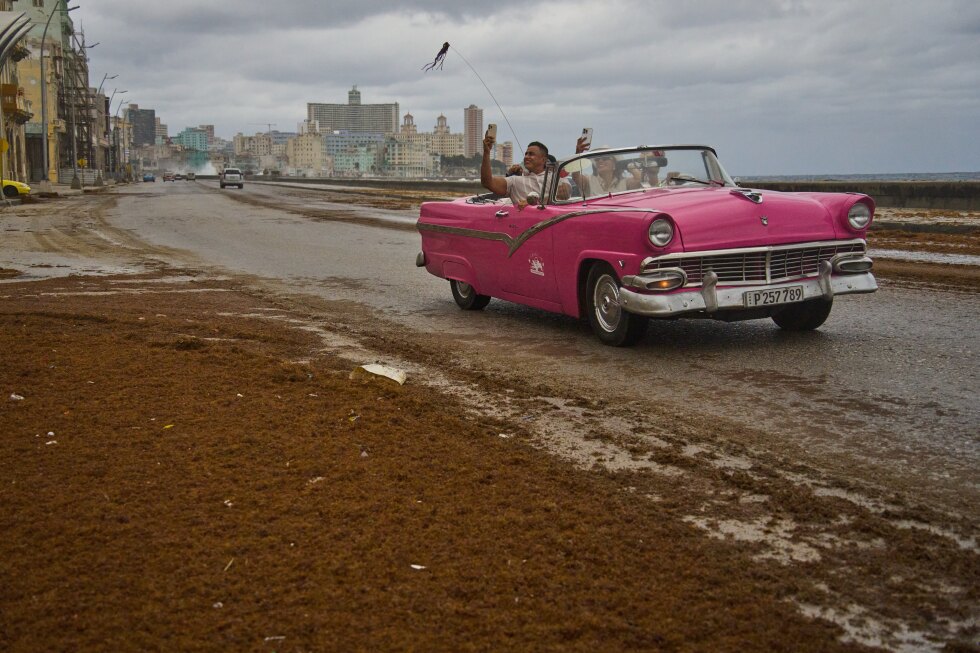
The visual landscape of Havana tells a story of systemic breakdown. Mountains of garbage accumulate at tourist destinations, where neatly dressed Cubans now scavenge through waste for reusable containers. The colonial architecture that once defined the city’s charm is rapidly deteriorating, with historic facades crumbling into rubble across numerous neighborhoods.
Energy infrastructure has reached critical failure levels. Chronic power outages plunge the capital into darkness nightly, while fuel shortages create hours-long queues at gasoline stations. Municipal services have deteriorated significantly—garbage trucks and agricultural equipment sit idle without spare parts, and office buildings routinely lack basic amenities like toilet paper and running water by afternoon.
Cubans demonstrate remarkable resilience through adaptive survival strategies. Families increasingly rely on firewood and charcoal for cooking amid natural gas shortages. Those with means invest in solar panels, while others cultivate personal gardens. Despite these efforts, cash shortages force crowds outside banks, and communication networks experience growing disruptions.
The nation’s economic crisis deepens amid geopolitical pressures. Many Cubans lived through the 1990s Special Period following Soviet collapse, but current conditions threaten to surpass that hardship. Experts warn that disrupted oil shipments from Venezuela and Mexico—combined with new U.S. tariffs on nations supplying Cuba—could trigger catastrophic consequences.
U.S.-Cuba relations have deteriorated significantly under the Trump administration, which redesignated Cuba as a state sponsor of terrorism and intensified rhetoric about regime change. Secretary of State Marco Rubio, son of Cuban immigrants, recently declared Cuba “a country that’s been backward” with “no functional economy.”
Despite these pressures, the Cuban government maintains its defiant posture while citizens express determination to resist external manipulation. The revolutionary slogan “Patria o muerte, venceremos!” (Homeland or death, we will overcome!) continues to resonate, embodying both ideological commitment and the stark choices facing the nation.