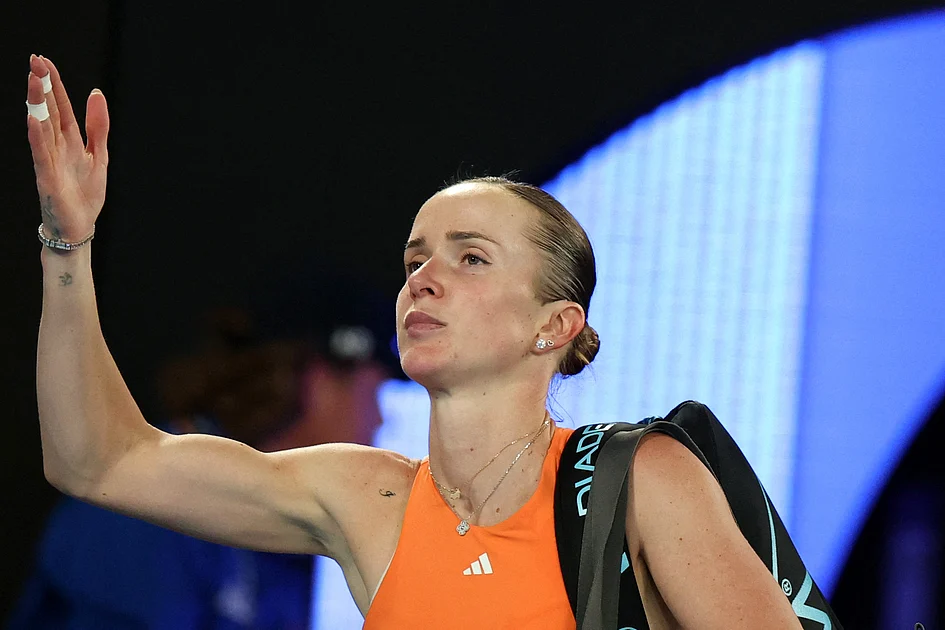
In a poignant display of perspective and resilience, Ukrainian tennis star Elina Svitolina processed her Australian Open semifinal defeat to Aryna Sabalenka with thoughts firmly fixed on her war-torn homeland. The match, which concluded 6-2, 6-3 in favor of the top-seeded Belarusian, marked Svitolina’s first semifinal appearance at Melbourne Park, yet her post-match reflections transcended the court’s boundaries.
The geopolitical context loomed large over the contest, occurring against the backdrop of ongoing conflict in Ukraine. Since Russia’s 2022 invasion, which utilized Belarusian territory as a staging ground, players from both nations have been prohibited from representing their countries at Grand Slam events and tour competitions.
Addressing media without directly referencing her opponent, the 31-year-old Svitolina expressed profound disappointment at missing her opportunity to reach a maiden Grand Slam final. However, she immediately contextualized her athletic setback within broader human suffering. ‘I feel like I should not be allowed to really be sad. I have a great position,’ Svitolina told reporters, emphasizing her privilege to compete on center court while representing Ukraine with dignity.
Svitolina described the emotional exchange with Ukrainian supporters as ‘a big exchange of positive emotions,’ noting how her matches provide temporary respite for citizens enduring ‘horrible and terrifying’ circumstances. She consciously rejected self-pity, stating, ‘I cannot complain… people are really living a horrible and terrifying life in Ukraine, so I should not be allowed to really be sad because I’m a very, very lucky person.’
Technically, Svitolina acknowledged Sabalenka’s superior power that resulted in four service breaks against her, while she managed just one break point conversion from four opportunities. Despite the straight-sets defeat, the Ukrainian believed she demonstrated competitive quality against the world’s top-ranked player throughout the tournament.
Svitolina emphasized sport’s unifying role in national morale, describing how athletic achievements cut through the ‘dark days, grey days with so much negativity’ that characterize daily life in Ukraine. She expressed pride in providing moments of joy and unity for her compatriots, recognizing sports’ capacity to generate ‘great emotions’ during times of profound adversity.