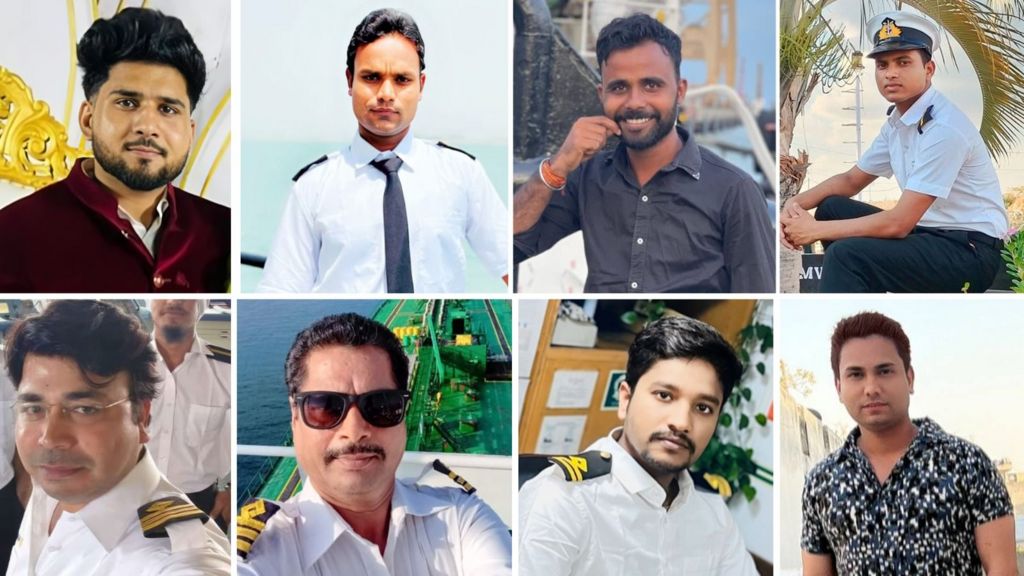
Sixteen Indian nationals remain detained in Iran following the controversial seizure of oil tanker MT Valiant Roar in international waters on December 8th. The vessel, operated by Dubai-based Prime Tankers LLC, was apprehended by Iranian authorities alleging transportation of 6,000 metric tonnes of illegal diesel—a claim vehemently denied by the shipping company.
The geopolitical landscape has complicated resolution efforts, with Iran experiencing significant domestic unrest since late December and increased US military presence in the region creating additional tensions. According to documents filed by India’s foreign ministry in Delhi High Court, ten Indian crew members have been formally arrested and transferred to Bandar Abbas prison, while six remain confined aboard the vessel under deteriorating conditions.
Families report severe humanitarian concerns, citing inadequate food supplies, limited potable water, and unsanitary living conditions as generators fail and waste disposal systems malfunction. Most personal communication devices have been confiscated, though one phone permits intermittent contact with relatives.
Diplomatic channels have achieved partial success, with consular access secured for the imprisoned seafarers though not yet for those remaining onboard. The Indian embassy indicates Iranian authorities will facilitate access pending clearances from naval and prosecutorial offices.
The vessel’s owner, Jugwinder Brar—currently under US sanctions—maintains the ship carried legitimate Very Low Sulphur Fuel Oil (VLSFO) for company operations. Brar alleges Iran previously seized another Prime Tankers vessel under similar pretenses in December 2023, with three crew members still imprisoned after nine months.
Maritime unions and families condemn the detention of crew members as fundamentally unjust. ‘Cargo disputes should be settled with companies, not workers,’ stated Gayatri Singh, wife of detained Chief Officer Anil Kumar Singh, echoing sentiments that seafarers are being used as ‘human shields’ in broader geopolitical conflicts.
The situation remains critical for families awaiting reunification, particularly with contractual end dates having passed in January and personal milestones like planned weddings now in jeopardy.