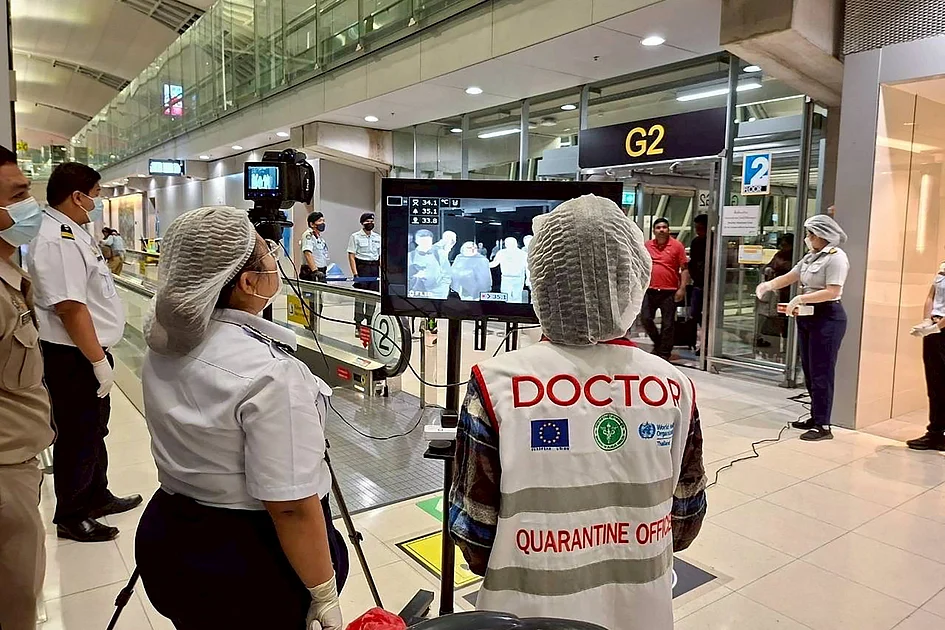
The World Health Organization (WHO) has issued a risk assessment following India’s confirmation of two Nipah virus cases, determining the international transmission threat remains low. In an official statement released Friday, the global health body confirmed it does not advise implementing travel restrictions or trade limitations against India despite the recent infections.
Nipah virus represents a zoonotic pathogen capable of transmission through multiple pathways: direct animal-to-human contact, consumption of contaminated food products, or human-to-human exposure. First identified during a 1998 outbreak among Malaysian pig farmers, the virus subsequently appeared in Singapore (1999) before emerging in India and Bangladesh approximately two years later. The Philippines documented cases in 2014, though Southeast Asia has remained outbreak-free in recent years. Conversely, Bangladesh has experienced near-annual outbreaks since 2001, while India continues reporting periodic cases, particularly in Kerala and West Bengal.
Fruit bats from the Pteropodidae family serve as the virus’s natural reservoir, exhibiting asymptomatic carriage while contaminating fruits consumed by intermediate hosts including pigs, horses, and domestic animals. Human infection typically presents with non-specific influenza-like symptoms: fever, headache, respiratory distress, and generalized confusion. The disease frequently progresses to severe neurological complications including encephalitis (brain inflammation) and meningitis, with mortality rates ranging from 40-75% according to UK Health Security Agency estimates.
Survivors often experience lasting neurological sequelae such as persistent seizures and personality alterations. Rare cases demonstrate viral reactivation months or years post-recovery. Currently, no approved vaccines or antiviral treatments exist, though WHO has designated Nipah as a priority pathogen within its Research and Development Blueprint, with several candidate products undergoing development.
Healthcare providers must implement enhanced infection control protocols including patient isolation, contact/droplet precautions (medical masks, eye protection, gowns, gloves), and airborne precautions during aerosol-generating procedures. Similar protective measures are advised for animal handlers during slaughtering procedures. Early diagnosis through laboratory testing remains critical for implementing supportive care measures that can reduce mortality.