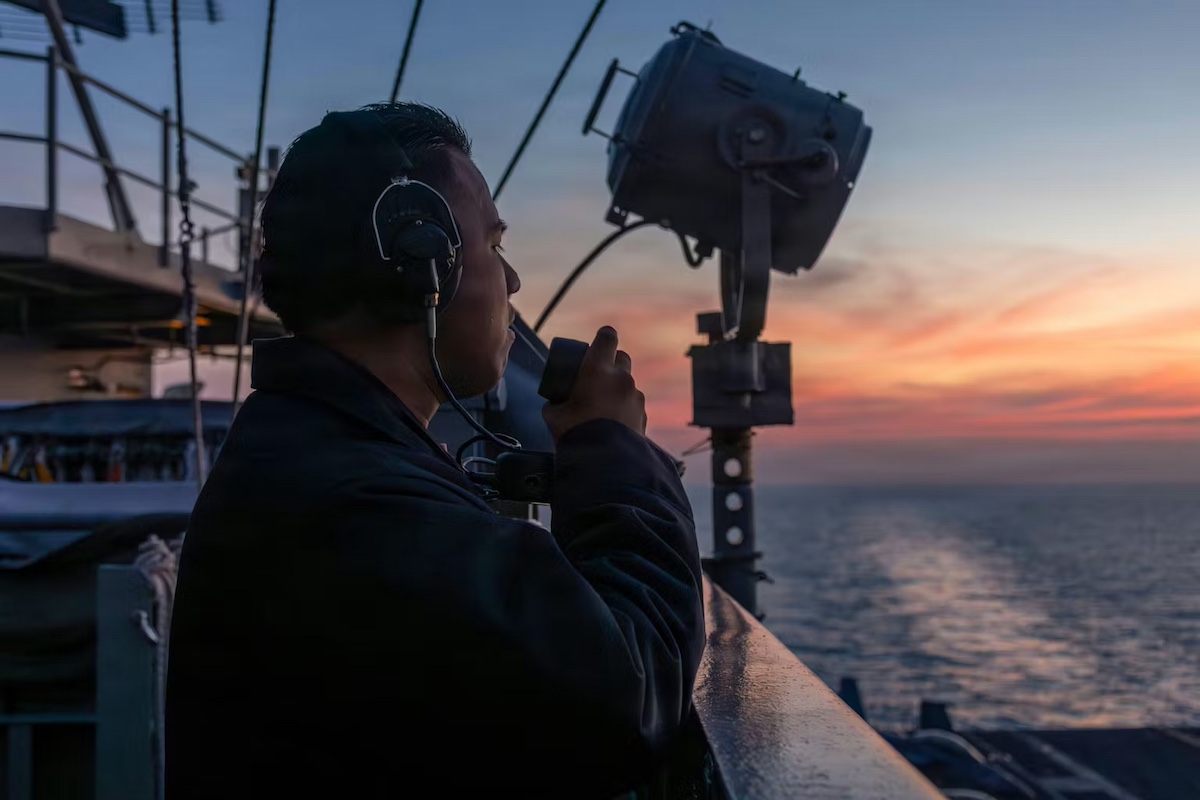
Recent deployments of US naval assets to the Gulf region have sparked widespread speculation about potential military confrontation with Iran. While President Trump’s administration has issued stern warnings regarding Iran’s nuclear ambitions and regional activities, a deeper analysis reveals strategic brinkmanship rather than genuine preparations for warfare.
President Trump’s political brand remains fundamentally opposed to prolonged foreign engagements, having built his electoral appeal on ending America’s ‘forever wars.’ This political reality contradicts the narrative of impending conflict with Iran, which would inevitably become exactly the type of costly, extended engagement he has consistently criticized.
Iran’s military doctrine, developed since the 1979 revolution, emphasizes asymmetric warfare capabilities specifically designed to counter superior conventional forces. Rather than matching US military power directly, Tehran has invested in ballistic missiles, cyber operations, regional proxy networks, and anti-access strategies that would inflict prolonged costs on any aggressor.
Historical precedents from Iraq and Afghanistan demonstrate the staggering financial implications of Middle Eastern conflicts, estimated at $6-8 trillion when accounting for long-term veterans’ care and reconstruction. A confrontation with Iran—larger, more populous, and better prepared than either Iraq or Afghanistan—would likely follow a similar, if not more expensive, trajectory.
The current global geopolitical landscape further complicates potential conflict. As multipolar rivalry intensifies, with China and India investing heavily in technological and economic advancement, sustained Middle Eastern engagement would divert crucial resources from strategic competition. Iran’s geographic position astride critical energy routes adds economic vulnerability, as any disruption to Hormuz Strait shipping would spike global oil prices and fuel inflation.
Regional dynamics also discourage escalation. Gulf states like Saudi Arabia, the UAE, and Qatar have prioritized de-escalation despite their rivalries with Tehran. The Abraham Accords, touted as a foreign policy achievement, depend on regional stability that conflict would jeopardize.
The greatest danger lies not in deliberate invasion but in miscalculation. Heightened military presence and aggressive rhetoric increase accident risks and potential unintended escalation. Ultimately, strategic realities suggest current movements represent coercive signaling rather than genuine war preparation, with all parties recognizing that some conflicts remain too costly to pursue.