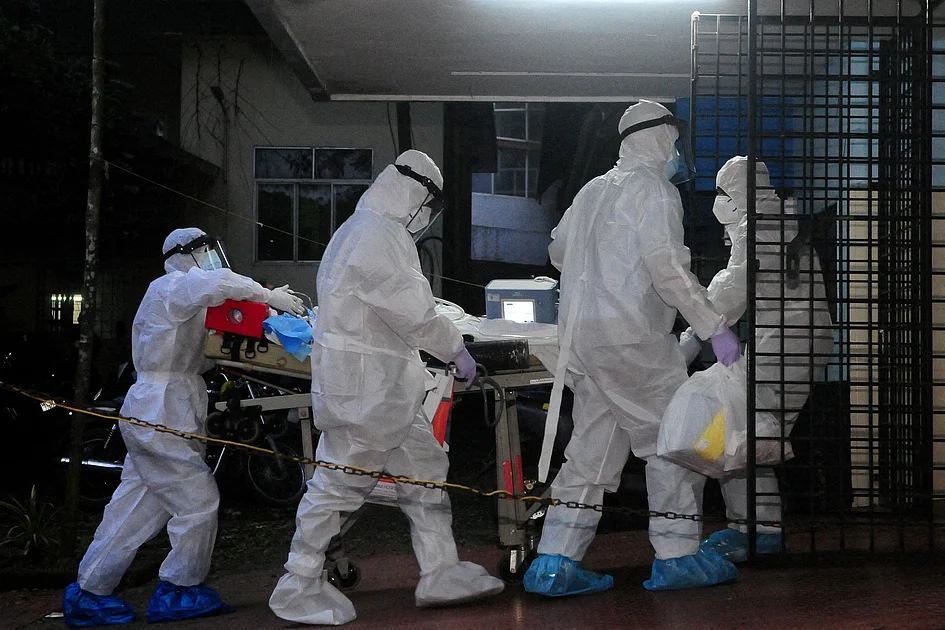
The World Health Organization (WHO) issued a reassuring assessment on Friday, January 30th, 2026, stating that the risk of international spread of the Nipah virus from India remains low. This evaluation comes after the South Asian nation confirmed two isolated cases of the infection.
In an official statement, the global health body clarified that it does not advise the implementation of any travel restrictions or trade barriers concerning India. This position underscores a confidence in existing containment measures and reflects a data-driven assessment of the outbreak’s scale.
Nipah virus is a zoonotic pathogen, transmitted initially from animals to humans, often through contaminated food or direct contact. It can lead to severe respiratory illness and encephalitis, with a high fatality rate. Past outbreaks in other parts of Asia have raised significant public health concerns, prompting swift international response.
The WHO’s calm and measured response aims to balance vigilant monitoring with the avoidance of unnecessary alarm and economic disruption. The organization typically recommends standard precautions for travelers to affected regions, emphasizing hygiene practices and avoiding contact with sick animals or consumption of raw date palm sap, a known transmission route.