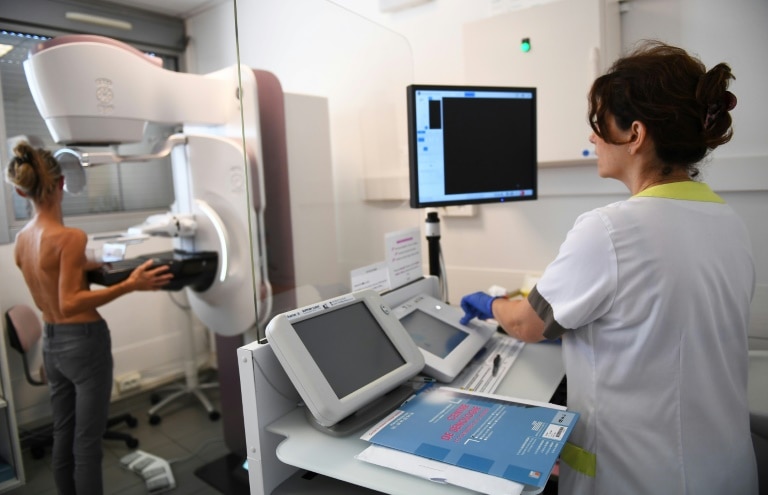
A groundbreaking randomized controlled trial published in The Lancet has demonstrated that artificial intelligence significantly enhances breast cancer detection rates in routine mammography screenings. The Swedish study, conducted throughout 2021-2022 with over 100,000 participants, represents the first gold-standard research validating AI’s role in cancer screening programs.
The investigation compared two diagnostic approaches: one utilizing AI-supported single radiologist analysis and another employing the conventional European standard of dual-radiologist assessment. Results revealed a striking 9% increase in cancer detection within the AI-assisted group. Furthermore, this cohort exhibited a 12% reduction in interval cancer diagnoses—those occurring between regular screenings—over the subsequent two-year monitoring period.
Senior author Kristina Lang of Lund University emphasized that implementing AI-supported mammography could substantially alleviate radiologist workload pressures while simultaneously improving early-stage cancer identification. The consistency of improvement across varying patient ages and breast density levels—known risk factors for cancer—underscores the technology’s broad applicability. Both groups maintained comparable false-positive rates, indicating AI integration doesn’t compromise diagnostic specificity.
Despite these promising results, researchers caution against hasty implementation. French radiology federation head Jean-Philippe Masson noted that AI systems remain prone to overdiagnosis and require radiologist oversight to correct erroneous tissue interpretations. The Transpara AI model, trained on 200,000 historical examinations across 10 nations, nearly halved radiologist scan-reading time in interim 2023 findings.
With breast cancer affecting 2.3 million women globally and causing 670,000 deaths in 2022 according to WHO data, this technological advancement offers potential relief to overburdened healthcare systems. However, experts stress the necessity for continuous monitoring and further long-term validation before widespread clinical adoption.