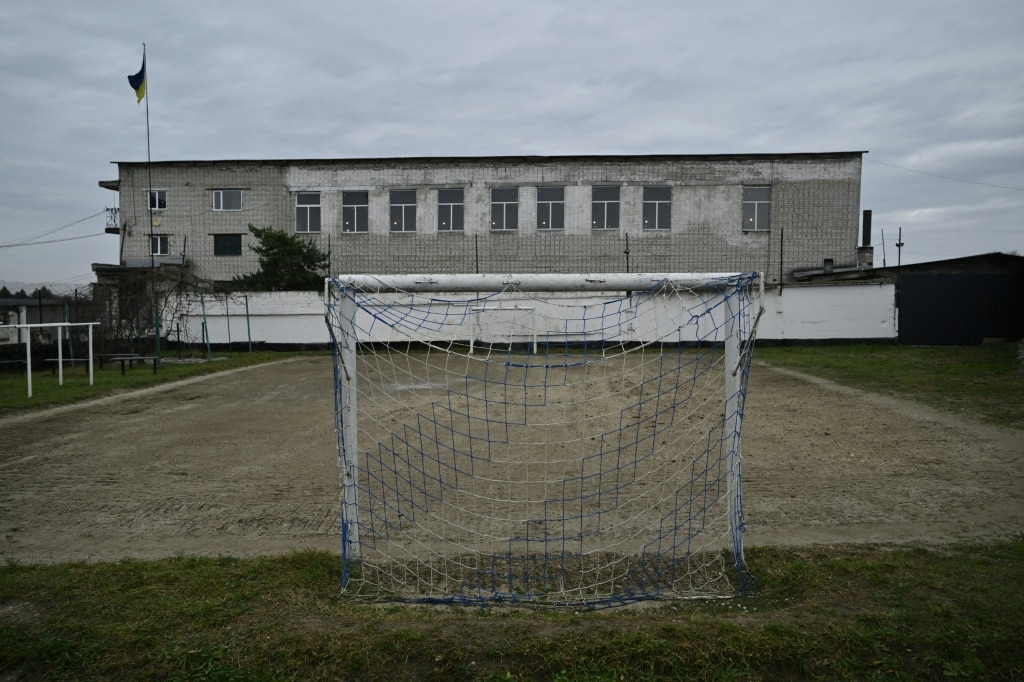
In a secluded detention facility in western Ukraine, a unique international assembly of captured soldiers awaits an uncertain future. These men—from Egypt, China, Cameroon, Kenya, Togo, Nigeria, Italy, Sri Lanka, and Uzbekistan—share a common bond: they were all recruited to fight for Russia before being captured by Ukrainian forces.
Their motivations for joining Moscow’s war effort vary dramatically. Some sought economic opportunity, lured by salaries ten times higher than what they could earn at home. Others were deceived by false promises of civilian employment, while a few claim they were coerced into military service under threat of imprisonment. Russia has systematically targeted French-speaking African communities with recruitment campaigns offering sign-up bonuses exceeding $2,700 and monthly salaries nearing $3,000, according to the French Institute of International Relations.
The prison operates under strict protocols aligned with the Geneva Conventions, which prohibit exposing prisoners of war to ‘public curiosity.’ Inmates receive basic supplies through cell hatches—blue uniforms, toiletries, and towels. Their days follow a regimented routine: meals eaten in silence, work assignments in prison workshops, and limited exercise time in the yard.
Among the captives is Eric from Togo, an aspiring neurosurgeon who moved to Russia five years ago seeking education and citizenship. ‘I knew from the start what I was getting into,’ he told AFP, expressing no remorse about fighting against Ukraine. His Nigerian cellmate shared similar convictions, influenced by Kremlin propaganda narratives.
Giuseppe, a 52-year-old Italian pizza chef, claims he responded to a television advertisement for army cooks near the front lines. After losing four toes to an artillery strike, he surrendered to Ukrainian soldiers. Guards suspect his ‘cook’ story may be an attempt to avoid legal consequences for combat participation.
The most disturbing accounts come from those who describe coercion. Aziz from Uzbekistan alleges Russian police threatened him with an 18-year drug trafficking sentence unless he signed a military contract. To escape combat, he deliberately stepped on what soldiers call a ‘petal’—an anti-personnel mine—hoping injury would repatriate him to Russia. When the mine failed to detonate, he surrendered to a Ukrainian drone.
While a recent Council of Europe report indicates POWs in Ukrainian facilities are generally treated in accordance with international standards, one detainee reported experiencing dehumanizing racist abuse from several guards. Ukraine denies systematically mistreating prisoners.
With approximately 7% of Ukraine’s captured soldiers being foreign nationals from 40 countries, their prospects for release appear dim. Petro Yatsenko, spokesperson for Ukraine’s POW coordination center, notes that ‘Russia has no interest in exchanging them, nor do their countries of origin,’ suggesting these men may remain captive for months or years. Despite this bleak outlook, most cling to hopes of an ‘all-for-all’ prisoner exchange should diplomatic efforts to end the conflict succeed.