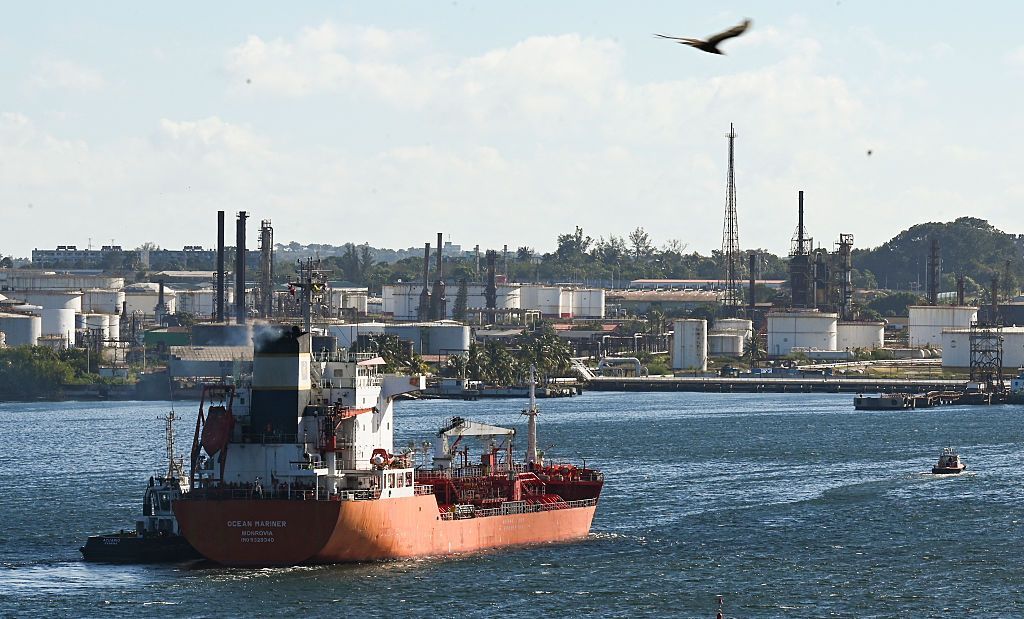
The Trump administration has intensified its economic pressure campaign against Cuba by threatening to impose tariffs on countries that supply oil to the Caribbean nation. This latest move was formalized through an executive order, though specific tariff rates and targeted nations remain unspecified.
The development follows President Trump’s assertion on Tuesday that Cuba’s communist government “will be falling pretty soon,” citing Venezuela’s recent cessation of oil shipments to the island nation. Previously, Venezuela had been supplying approximately 35,000 barrels of oil daily to Cuba, representing a crucial energy lifeline for the Cuban economy.
This escalation in US policy toward Cuba gained momentum after American forces participated in the January 3rd raid in Caracas that resulted in the capture of Venezuelan leader Nicolás Maduro, a longstanding Cuban ally. The administration’s approach marks a significant hardening of stance against both communist governments in the region.
Cuban Foreign Minister Bruno Rodríguez has vehemently opposed the US position, asserting Cuba’s “absolute right to import fuel” from any willing exporter without submission to “unilateral coercive measures of the United States.” This diplomatic confrontation highlights the deepening rift between the two nations and potentially signals a return to more adversarial relations.
The proposed tariffs represent another front in the Trump administration’s broader strategy of applying maximum economic pressure on governments it considers adversarial, continuing a pattern of utilizing trade measures as foreign policy instruments.