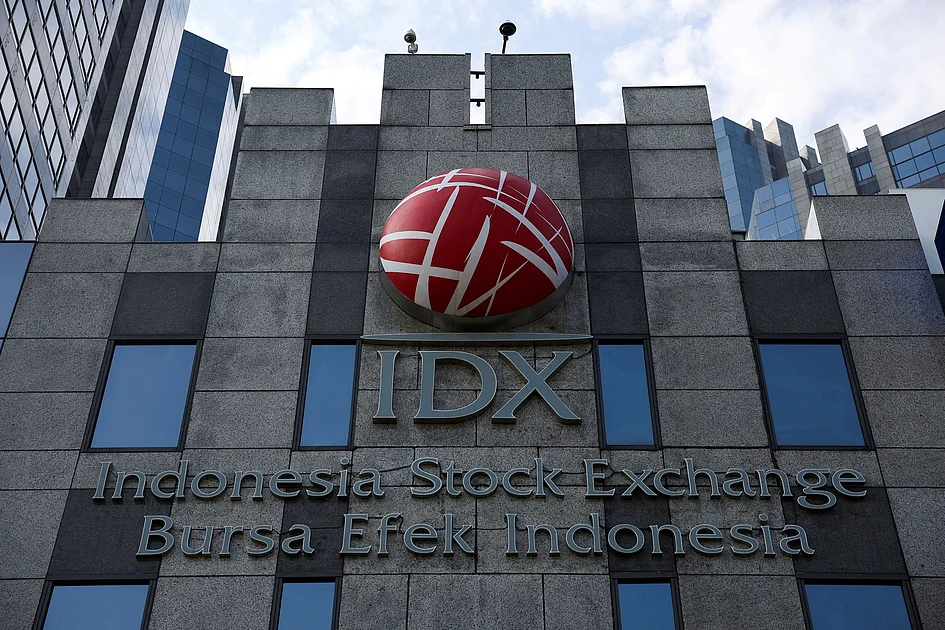
Indonesian financial regulators initiated emergency stabilization measures on Thursday following a massive two-day market selloff that erased approximately $80 billion in market valuation. The dramatic downturn was triggered by index provider MSCI raising serious concerns about ownership transparency and trading practices within the Indonesian equity market.
The Jakarta Composite Index experienced extreme volatility, plummeting 7.4% on Wednesday followed by an additional 8% decline on Thursday that activated circuit-breaker trading halts. The benchmark ultimately closed with a moderated 1% loss following intervention announcements from authorities.
Central to the crisis are investor apprehensions regarding President Prabowo Subianto’s economic policies, particularly the expansion of fiscal deficits and increased governmental involvement in financial markets. These concerns were exacerbated by recent controversial appointments, including the president’s nephew to the central bank and the dismissal of respected Finance Minister Sri Mulyani Indrawati last year.
In response to MSCI’s potential downgrade warning, Indonesian authorities unveiled a comprehensive package of corrective measures. The Financial Services Authority (OJK) announced the doubling of free-float requirements for listed companies from 7.5% to 15%, alongside commitments to enhance ownership transparency through detailed disclosure of shareholdings above and below 5% thresholds.
Mahendra Siregar, Head of OJK, indicated during a press conference that communications with MSCI have been constructive, with expectations for resolution by March. Meanwhile, the Indonesian rupiah continued its decline, trading at 16,745 against the US dollar, approaching recent record lows.
International financial institutions responded decisively. Goldman Sachs and UBS both downgraded their recommendations for Indonesian equities, with Goldman warning of potential outflows reaching $7.8 billion in a worst-case downgrade scenario. Market analysts characterized the selloff as predominantly driven by structural concerns rather than fundamental economic weaknesses.
Despite the aggressive measures, analysts anticipate continued market fragility in the near term, emphasizing that investor confidence will require demonstrable improvements in transparency and consistent policy implementation rather than merely announcements of intent.