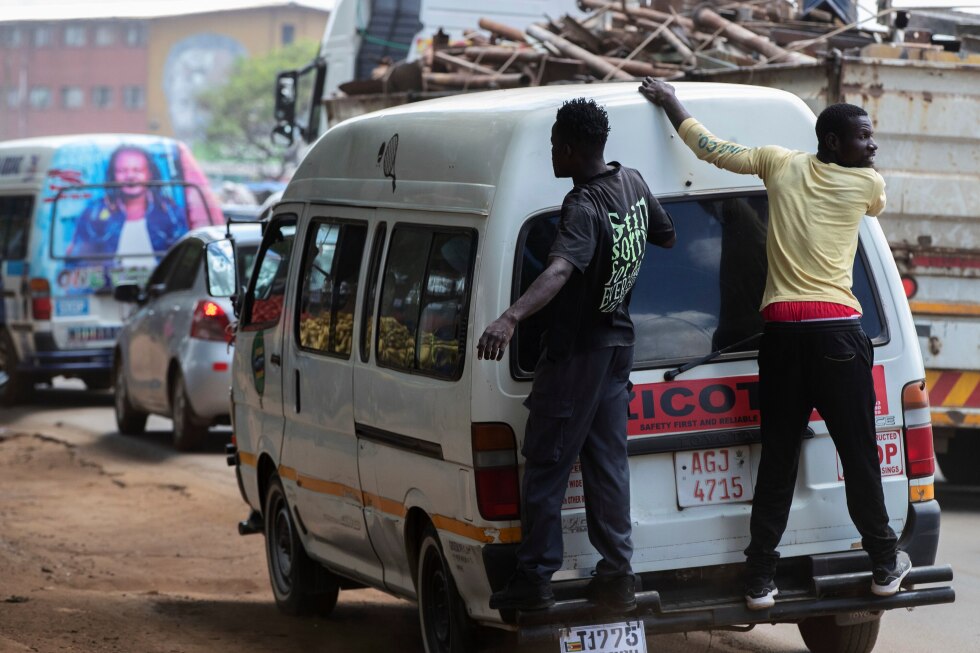
Africa continues to grapple with the world’s most severe road safety crisis, as highlighted by recent tragic incidents including a collision involving former heavyweight boxing champion Anthony Joshua in Nigeria and multiple minibus accidents in South Africa that claimed at least 25 lives. These events underscore a systemic problem across the continent, where road fatality rates dramatically outpace global averages despite Africa accounting for merely 3% of the world’s vehicles.
According to the United Nations Economic Commission for Africa, the continent experiences 26 road deaths per 100,000 people—significantly higher than the global average of approximately 18 and more than double Europe’s rate of fewer than 10 fatalities. This translates to over 300,000 annual road crash fatalities, with the World Health Organization reporting increasing numbers despite global improvements.
The unique dynamics of African road usage contribute substantially to this crisis. With limited personal vehicle ownership due to economic constraints, roads become chaotic landscapes where pedestrians, bicycles, motorcycles, cars, buses, and trucks compete for space without adequate infrastructure. Approximately 40% of African road deaths involve pedestrians—twice the global average—reaching nearly 50% in some nations.
A 2024 WHO analysis reveals that few African countries have developed transportation systems accommodating these diverse travel modes. Inadequate public transit forces millions to rely on overloaded minibuses and motorcycle taxis, often operating without proper safety standards. South Africa exemplifies this challenge, where minibus taxis transport over 10 million daily commuters despite ongoing regulatory struggles regarding driver licensing, vehicle roadworthiness, and traffic law enforcement.
Compounding these issues are generally weak traffic law enforcement and substandard road infrastructure safety ratings, with only a minimal percentage of Africa’s road network meeting acceptable quality standards. The December-January holiday period proves particularly lethal, as demonstrated by South Africa’s reported 1,427 road deaths during a recent 42-day span, averaging over 30 daily fatalities despite having one of the continent’s more developed road systems.