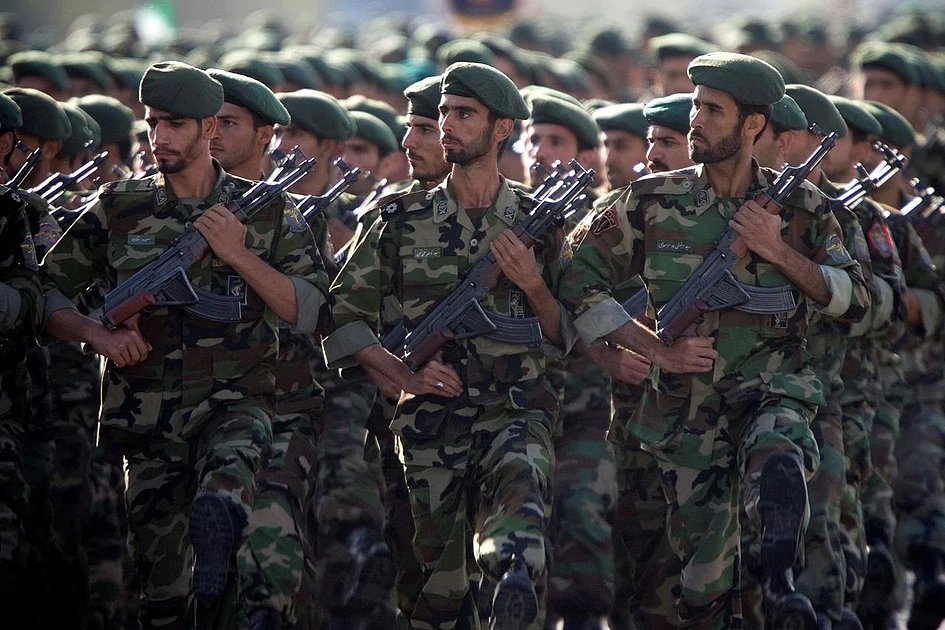
In a landmark decision with profound diplomatic implications, European Union foreign ministers convened in Brussels on Thursday to formally designate Iran’s Islamic Revolutionary Guard Corps (IRGC) as a terrorist organization. This historic move places the elite Iranian military force on the EU’s terror blacklist alongside notorious jihadist groups including Al-Qaeda and Daesh.
The decisive action comes in response to Tehran’s brutal crackdown on nationwide protests, during which thousands of civilian demonstrators were reportedly killed by security forces. EU foreign policy chief Kaja Kallas declared to journalists that “those who operate as terrorists must be treated accordingly,” signaling a fundamental shift in Europe’s approach to the Iranian regime.
Concurrently, the 27-nation bloc implemented additional punitive measures including visa bans and asset freezes targeting 21 Iranian state entities and senior officials. Among those sanctioned are Iran’s Interior Minister, Prosecutor General, and regional IRGC commanders directly implicated in the suppression of dissent.
While Iranian authorities acknowledge approximately 3,000 fatalities during the unrest, they claim most casualties were security personnel or bystanders killed by rioters. However, international human rights organizations contend the actual death toll reaches potentially tens of thousands, with evidence indicating IRGC forces directly fired upon peaceful protesters.
The EU’s designation follows significant policy reversals from key member states France and Italy, both of which recently endorsed the terrorist classification. This alignment brings European policy in concert with existing designations by the United States, Canada, and Australia.
French Foreign Minister Jean-Noel Barrot emphasized that “there can be no impunity for the crimes committed” and called for the immediate release of thousands of political prisoners. He further urged Tehran to restore internet access and “enable the Iranian people to determine their own future.”
Despite its primarily symbolic nature—as the IRGC and its commanders already faced extensive EU sanctions—the terrorist designation represents the bloc’s strongest condemnation yet of Iran’s human rights abuses. The move preserves diplomatic channels while delivering an unequivocal message regarding the EU’s position on state-sponsored violence and repression.