The upcoming parliamentary by-election in Greater Manchester’s Gorton and Denton constituency, scheduled for February 26th, has emerged as a critical juncture in British politics. This contest represents a significant referendum on Labour Prime Minister Keir Starmer’s leadership while simultaneously testing the electoral viability of both the anti-immigration Reform UK party and the left-wing Green Party.
The political landscape intensified when Labour’s National Executive Committee blocked Greater Manchester Mayor Andy Burnham—widely perceived as a potential challenger to Starmer—from contesting the seat. This development occurred alongside Reform UK’s nomination of GB News presenter Matt Goodwin as their candidate, a figure whose history of controversial statements regarding ethnicity and Islam has drawn sharp criticism from Green Party leader Zack Polanski, who accused Goodwin of demonstrating ‘a track record of anti-Muslim bigotry.’
These dynamics hold particular significance in a constituency where demographic data reveals more than 25% of voters identify as Muslim and approximately 44% belong to ethnic minority groups.
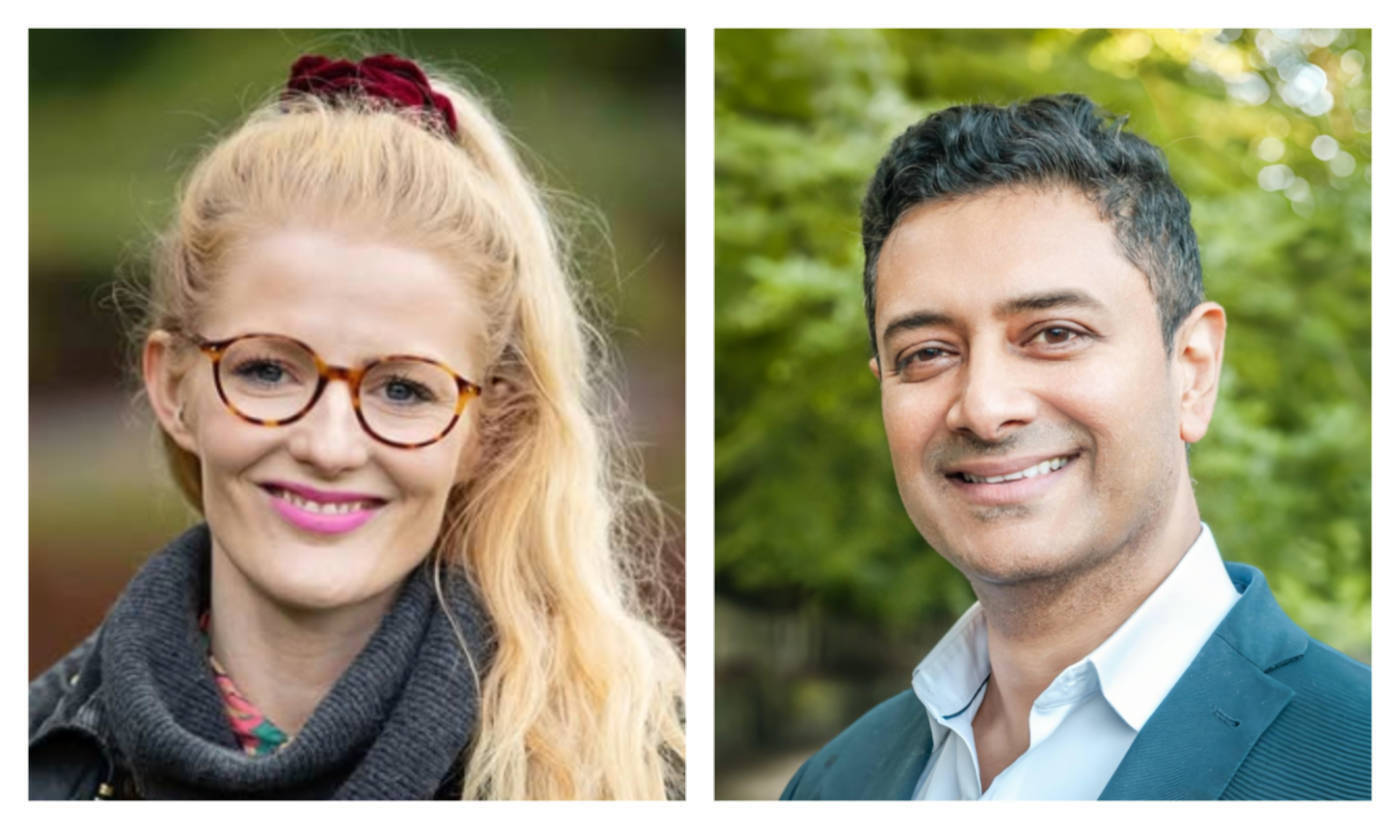
The Green Party’s selection process has narrowed to two prominent figures: Hannah Spencer, a plumber and Trafford council leader, and Fesl Reza-Khan, a former soldier and party international coordinator. Spencer, a lifelong Manchester resident who entered politics post-COVID due to frustration with wealth inequality, emphasizes representing working-class voices. Reza-Khan, who joined the Greens following Israel’s military actions in Gaza, cites his personal journey from Pakistani immigrant to British army officer as foundational to his political perspective.
Both candidates frame the election as a pivotal opportunity to challenge divisive rhetoric and offer an alternative to established political narratives. They specifically position their campaign against Reform UK’s messaging, which they characterize as scapegoating immigrants and minority communities. The election now serves as a microcosm of broader national debates surrounding identity, representation, and the future direction of British politics.