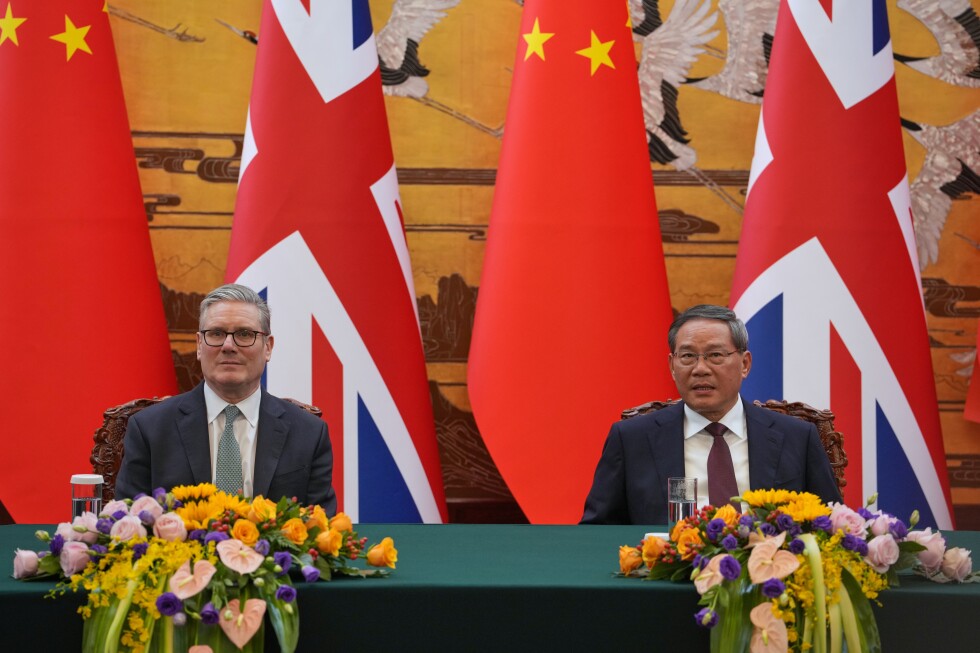
BEIJING — A strategic realignment is unfolding across Asia as multiple nations establish strengthened diplomatic partnerships, responding to growing uncertainties in the global order. This week witnessed three significant agreements demonstrating how countries are seeking stability through renewed international cooperation.
In China’s capital, British Prime Minister Keir Starmer and Chinese leader Xi Jinping committed to a “long-term, stable, and comprehensive strategic partnership” between their nations. This agreement revitalizes a relationship that had seen limited progress since its initial proposal a decade ago, with both leaders emphasizing the need for consistency during what Starmer described as “challenging times for the world.”
Simultaneously, Vietnam and the European Union formalized their upgraded relationship to a comprehensive strategic partnership, placing Vietnam on equal diplomatic footing with major global powers including the United States, China, and Russia. The agreement, signed in Hanoi, represents a significant elevation of Vietnam’s international standing.
Earlier in the week, the European Union and India concluded years of complex negotiations by reaching a comprehensive free trade agreement. The landmark deal encompasses numerous sectors from textile manufacturing to pharmaceutical products, and will substantially reduce India’s protective tariffs on European automobiles and wines.
While not explicitly named in these discussions, the shadow of former U.S. President Donald Trump’s policies loomed large over the proceedings. Multiple leaders referenced the need for stability amid global uncertainty, with European Council President António Costa noting in Hanoi that “the international rules-based order is under threat from multiple sides.” The agreements reflect a broader trend of nations seeking to reduce dependency on any single market while strengthening multilateral relationships in response to shifting global dynamics.