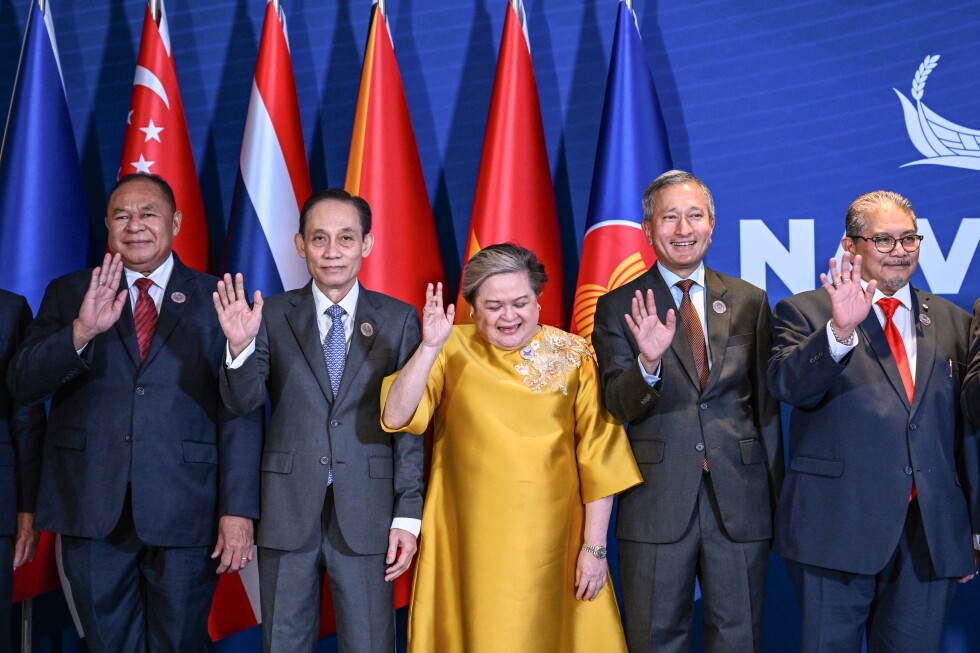
CEBU, Philippines — Southeast Asian diplomats convened Thursday in the Philippine coastal city of Cebu for critical closed-door meetings, where Philippine Foreign Secretary Theresa Lazaro issued a stark warning about escalating threats to the rules-based international order. Addressing the 11-nation Association of Southeast Asian Nations (ASEAN), Lazaro emphasized that aggressive acts across Asia and unilateral actions globally are undermining multilateral institutions without specifying particular nations.
The ministerial gathering occurs amid growing regional concerns over multiple flashpoints. Several ASEAN members have expressed unease about the U.S.-orchestrated arrest of Venezuelan leader Nicolás Maduro, while China’s increasingly assertive posture toward Taiwan and in the contested South China Sea continues to generate apprehension among member states. This places ASEAN in a delicate diplomatic position as both the United States and China represent significant trading and security partners for the bloc.
Lazaro highlighted the persistent challenges facing the region, stating: ‘Across our region, we continue to see tensions at sea, protracted internal conflicts and unresolved border and humanitarian concerns.’ She further noted that developments beyond Southeast Asia ‘continue to affect regional stability and erode multilateral institutions and the rules-based international order.’
The Philippines, currently holding ASEAN’s rotating chairmanship after Myanmar’s suspension following the 2021 military coup, faces the complex task of maintaining unity within the diverse bloc. Founded during the Cold War in 1967, ASEAN encompasses governments ranging from vibrant democracies to authoritarian states with varying international alignments.
Additional agenda items include addressing last year’s deadly border clashes between Thailand and Cambodia, advancing a largely unsuccessful five-point peace plan for Myanmar, and concluding negotiations with China on a South China Sea code of conduct before year’s end. China’s expansive maritime claims overlap with those of four ASEAN members: the Philippines, Malaysia, Vietnam, and Brunei, making the waterway a persistent source of regional tension.