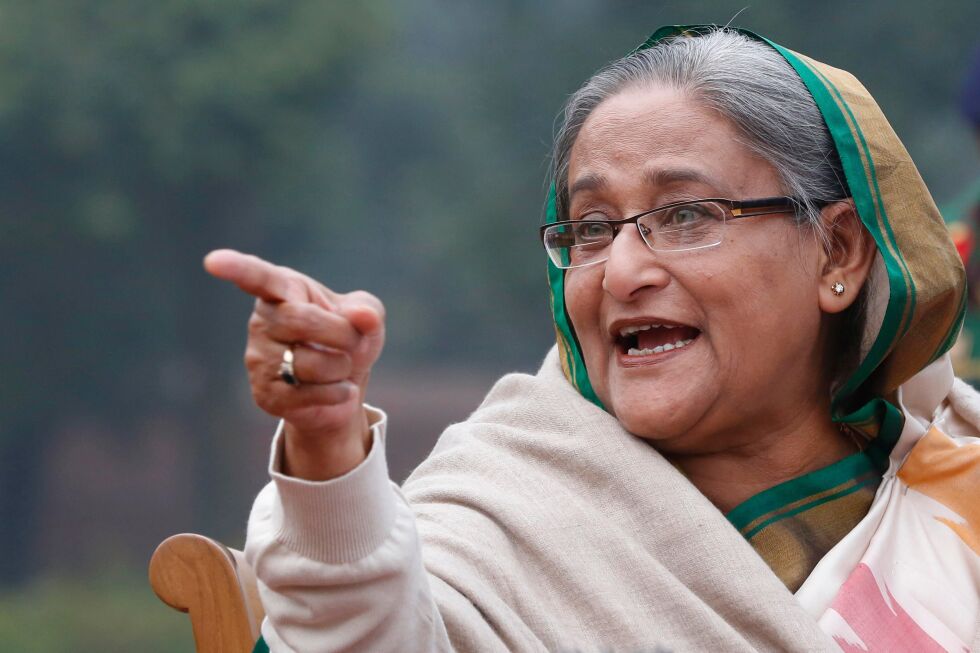
DHAKA, Bangladesh — As Bangladesh approaches its February 12 general election, the political landscape remains deeply fractured following the exclusion of former Prime Minister Sheikh Hasina’s Awami League from the electoral process. From her exile in India, Hasina has issued a stark warning that the exclusionary approach could plunge the nation into prolonged instability.
The ousted leader, who was sentenced to death in absentia for her government’s crackdown on student protests in 2024 that resulted in hundreds of casualties and ended her 15-year rule, contends that the interim administration led by Nobel laureate Muhammad Yunus has deliberately disenfranchised millions of her supporters. In correspondence with international media, Hasina emphasized that political exclusion inevitably deepens resentment, undermines institutional legitimacy, and creates conditions for future turmoil.
With over 127 million eligible voters, this election represents Bangladesh’s most significant political event in decades. The Yunus administration has pledged to ensure electoral integrity, with security forces committed to maintaining order and international observers from the European Union and Commonwealth monitoring the process. However, concerns persist regarding the genuineness of inclusivity and democratic standards.
The political vacuum following Hasina’s August 2024 departure has been marked by heightened security challenges and allegations of civil rights violations. Human rights organizations have documented worrying patterns of arbitrary detentions and attacks on minority communities, while press freedoms have deteriorated with several journalists facing criminal charges.
The electoral contest now primarily features the Bangladesh Nationalist Party (BNP), led by Tarique Rahman—son of Hasina’s late rival Khaleda Zia—and a coalition of Islamist groups headed by Jamaat-e-Islami, which faced severe repression during Hasina’s tenure. This configuration marks a dramatic shift from previous political arrangements, raising questions about the country’s democratic trajectory.
Hasina has dismissed her conviction as the product of a ‘kangaroo court’ while acknowledging that Bangladesh’s political culture must evolve beyond cycles of boycotts and exclusions. She maintains that only a government possessing genuine popular consent can heal the nation’s deep divisions and guide it toward stability.