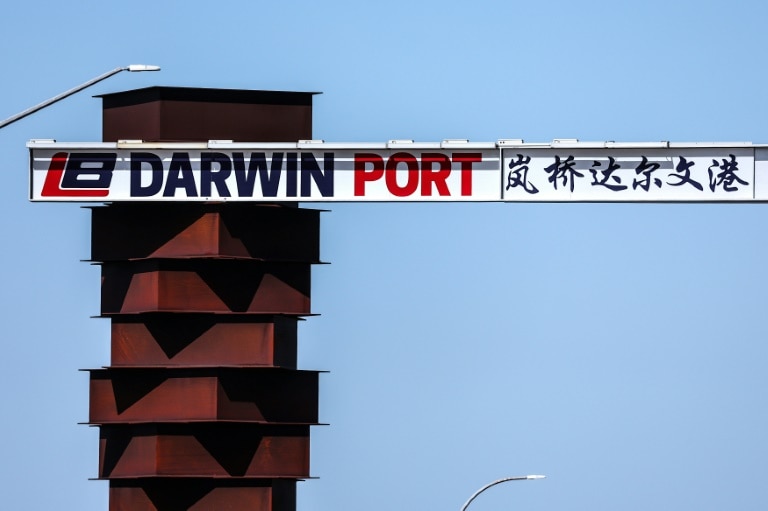
The Chinese Ambassador to Australia, Xiao Qian, has issued a firm diplomatic warning regarding the potential forced buyback of the strategically vital Port of Darwin from Chinese conglomerate Landbridge Group. The ambassador asserted that Beijing would be compelled to take decisive measures to safeguard the interests of its corporate entities should the Australian government proceed with the acquisition.
The controversy stems from a contentious 99-year lease agreement signed in 2015, which granted Landbridge operational control of the northern Australian port. This decision, widely criticized at the time for its geopolitical implications, subsequently prompted Canberra to implement significantly stricter foreign investment review protocols, particularly concerning critical national infrastructure.
Australian Prime Minister Anthony Albanese has been a vocal critic of the arrangement, labeling it a short-sighted maneuver that compromises both economic sovereignty and national security. Last year, his administration formally committed to returning the port to Australian ownership, citing paramount national interests.
Ambassador Xiao articulated China’s position during a media engagement in Canberra, stating, ‘Should Landbridge be obligated to relinquish its lease, we have a concomitant obligation to implement protective measures for the Chinese company’s interests.’ He further emphasized that such a move by Australia could adversely impact future Chinese investment, regional cooperation, and bilateral trade dynamics with the Northern Territory, ultimately proving detrimental to Australian interests as well.
In response, Prime Minister Albanese, speaking from East Timor, reiterated his government’s longstanding position of disagreement with the port’s sale to foreign interests, affirming a commitment to restoring domestic control over this critical asset. The Port of Darwin holds significant strategic importance due to its proximity to Asia and its established role as a rotational base for United States Marine Corps deployments. The original 2015 lease agreement reportedly drew private expressions of concern from the Obama administration, which indicated it had not been adequately consulted by Australian officials prior to the deal.