UN Deputy Special Coordinator for the Middle East Peace Process Ramiz Alakbarov presented a cautiously optimistic yet deeply concerning assessment of the Gaza situation during Wednesday’s UN Security Council open debate. Addressing the Middle East conflict and Palestinian question, Alakbarov characterized the current moment as both a potential turning point and a period of significant vulnerability.
The diplomatic landscape shows promise with the announced implementation of the second phase of former US President Donald Trump’s 20-point comprehensive plan, which Alakbarov identified as a crucial development for cementing the fragile ceasefire. However, this political progress contrasts starkly with the devastating humanitarian reality on the ground.
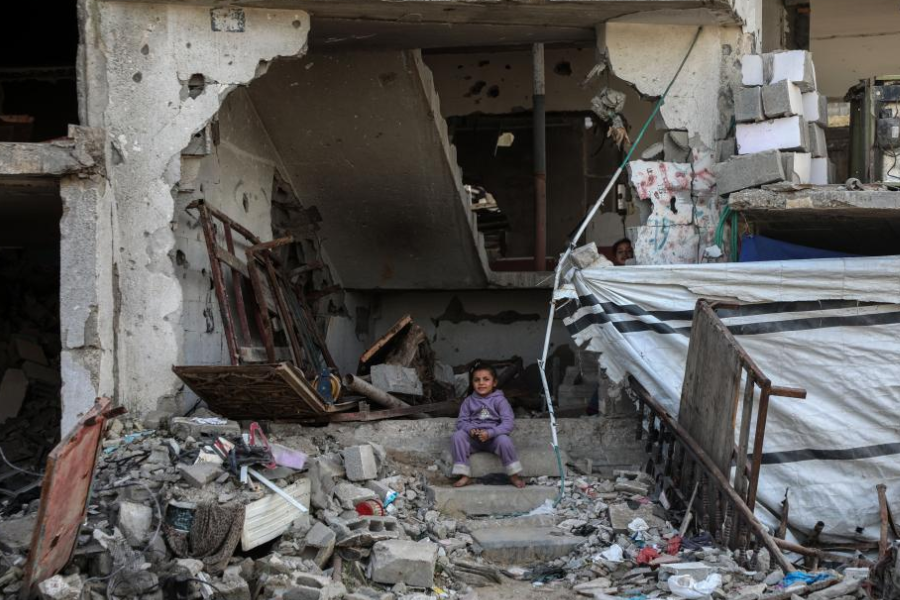
Gaza’s entire population remains dependent on humanitarian assistance, with recent heavy rainfall and cold temperatures intensifying the suffering of over 1.5 million displaced Palestinians. Humanitarian operations face severe constraints including security concerns, customs clearance obstacles, Israeli restrictions on authorized partners, cargo delays at crossings, and limited internal transport routes.
Despite the nominal ceasefire, Alakbarov reported continued Israeli military operations involving airstrikes, shelling, and gunfire across the territory. Hundreds of Palestinians, including numerous women and children, have been killed since the ceasefire began.
The envoy also highlighted deteriorating conditions in the occupied West Bank, where September-December 2025 saw entrenched negative trends including extensive military operations, settlement expansion, settler violence, demolitions, and large-scale detentions.
Amid these challenges, Alakbarov identified a genuine opportunity to establish foundations for regional stability, advance Palestinian governmental reunification of Gaza and the West Bank, and ultimately work toward ending the occupation through a renewed political process.