Fujian Province has solidified its status as mainland China’s primary destination for Taiwanese investment for four consecutive years, according to Governor Zhao Long’s address at the Fujian Provincial People’s Congress. The eastern coastal region is accelerating its transformation into a demonstration zone for cross-Strait integrated development, implementing concrete measures to foster national reunification through economic collaboration and cultural connectivity.
The province’s 2025 performance metrics reveal substantial progress, with 2,612 newly established Taiwan-funded enterprises and $724 million in actual utilized Taiwanese capital. A landmark achievement came with the introduction of China’s first local regulations on cross-Strait standard commonality, resulting in 41 new shared technical standards that facilitate smoother business operations.
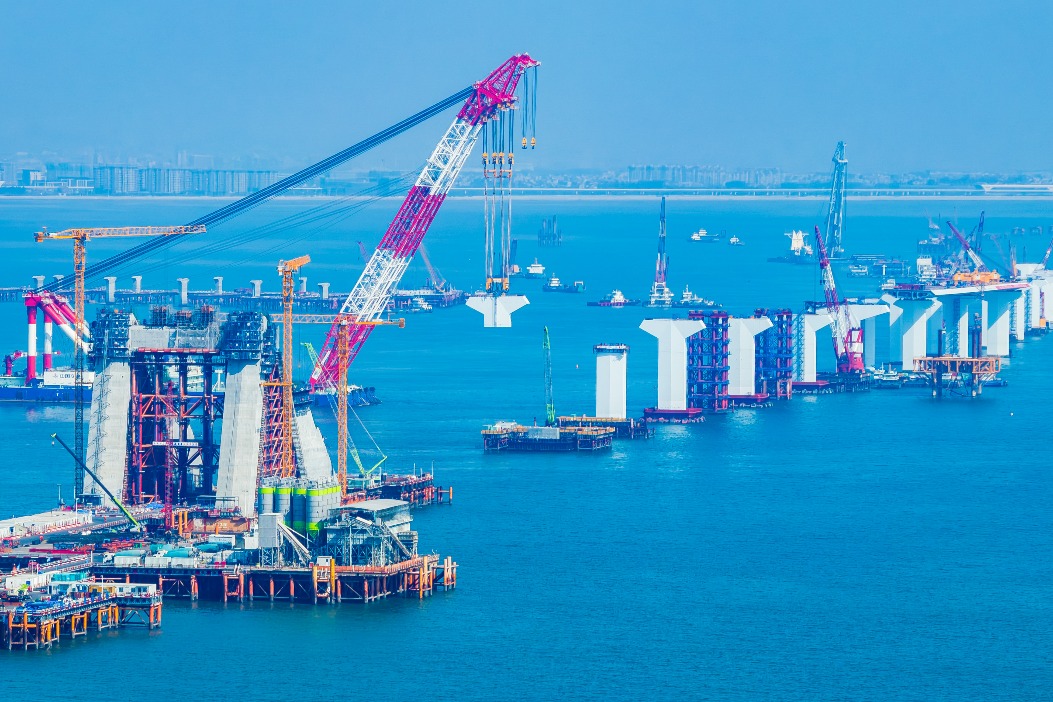
Infrastructure development features prominently in Fujian’s integration strategy. The province is advancing projects to supply water, electricity, and gas to Taiwan-administered islands of Jinmen and Matsu. Xiamen authorities aim to complete their section of the Xiamen-Jinmen Bridge this year while promoting shared usage of the newly constructed Xiamen Xiang’an International Airport as a regional hub for Jinmen residents.
Economic integration efforts include creating a “common market” targeting electronic information, machinery, and biomedicine sectors, alongside expanded recognition of Taiwanese professional qualifications. The province plans to launch at least 30 new joint rural vitalization projects in 2026 to enhance Fujian’s appeal to Taiwanese compatriots.
Cultural initiatives form a crucial component of the integration strategy. Governor Zhao emphasized ancestral connections through the “Taiwan Compatriots Root-seeking Platform” and proposed legislation for tracing cross-Strait family genealogies. The successful TV drama “Silent Honor,” filmed in Fujian and based on historical events, has resonated across the Strait by showcasing shared landscapes and historical bonds.
Political advisers proposed additional measures including leveraging Mazu culture—worshiped on both sides—as a gateway for “emotional integration” and comprehensive tourism cooperation. Other recommendations focused on youth engagement through systematic support for Taiwanese participation in urban renewal and rural construction projects, alongside simplified financial services and optimized residency policies for Taiwanese professionals.