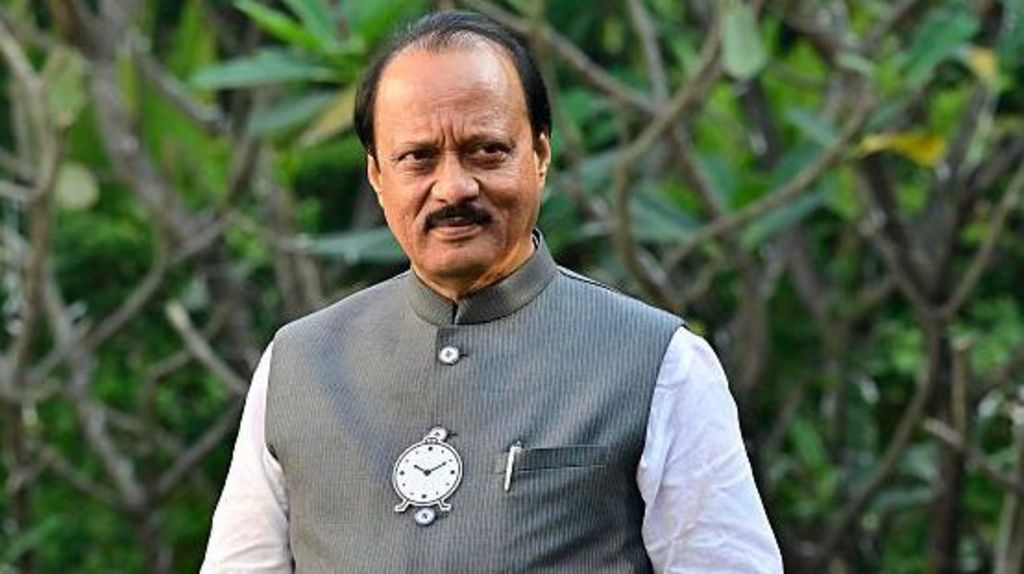
Maharashtra’s political sphere faces profound uncertainty following the tragic demise of Deputy Chief Minister Ajit Pawar, who perished in a plane crash on Wednesday alongside four other individuals. The incident has created a significant power vacuum in India’s wealthiest state, where Pawar had established himself as a formidable political operator.
For decades, Pawar navigated Maharashtra’s notoriously complex political environment—a constantly shifting landscape of alliances, regional loyalties, and intense rivalries. His approach combined pragmatic decision-making with shrewd political instincts, enabling his rapid ascent through the ranks of the Nationalist Congress Party (NCP), founded by his uncle Sharad Pawar.
The relationship between uncle and nephew defined much of Ajit Pawar’s political journey. While Sharad Pawar embodied traditional, strategic authority with his measured tones and coalition-building expertise, Ajit developed a distinct political identity focused on regional governance and control of local networks. His blunt, practical style and mercurial personality garnered both devoted followers and vocal critics.
Their political differences culminated in dramatic public ruptures, first in 2019 when Ajit briefly aligned with the rival Bharatiya Janata Party (BJP) to claim the deputy chief minister position—a move that collapsed within days due to his uncle’s intervention. The final break occurred in 2023 when Ajit formally split from his uncle’s NCP, joined a BJP-led coalition, and successfully claimed the party’s name and electoral symbol for his faction.
This schism transformed Maharashtra’s political dynamics, dividing the once-unified Pawar political dynasty into competing camps. Recent speculation about possible reconciliation between the factions has been rendered moot by Ajit Pawar’s sudden death. Critical questions now emerge regarding the stability of the alliances he built and whether his political successors—potentially including his cousin Supriya Sule (Sharad Pawar’s daughter), his wife, or son—can maintain cohesion among his supporters.
Pawar’s legacy remains deeply complex: to admirers, he represented political adaptability and courage; to critics, he exemplified opportunistic power maneuvering. His passing underscores how personal ambitions and familial relationships can dramatically shape political outcomes in unexpected ways.