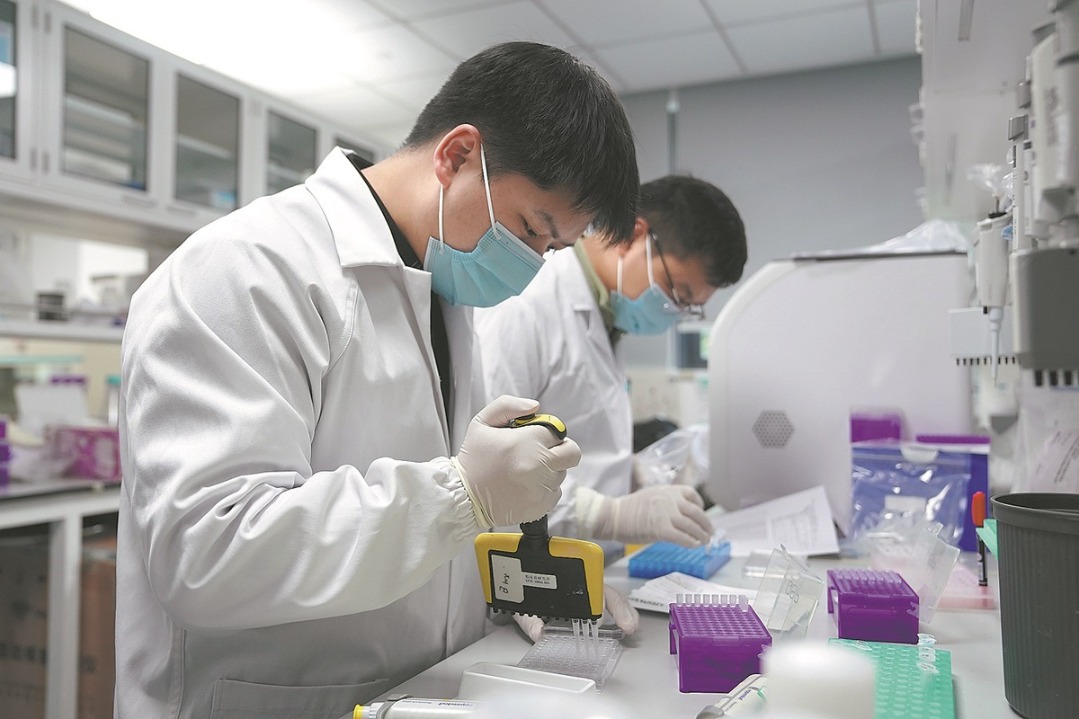
In a remarkable transformation of China’s healthcare landscape, domestic pharmaceutical companies are emerging as powerful innovators, delivering breakthrough treatments to patients at unprecedented affordability. The story of Zhang, a 38-year-old thyroid eye disease patient in Beijing, exemplifies this shift. His access to a novel domestic injection—the first new treatment for his condition in China in over seven decades—comes at a fraction of the cost of foreign equivalents, thanks to its inclusion in the national reimbursement drug list.
This patient-centric revolution stems from comprehensive regulatory reforms, substantial capital investments, and a strategic focus on research innovation. While drug development remains notoriously challenging—typically requiring a decade and approximately $1 billion per successful medication with a 90% failure rate—Chinese companies are defying these odds through systematic advancements.
China’s regulatory framework now recognizes two distinct categories of novel drugs: improved formulations of existing treatments (such as Zhang’s injection) and truly innovative drugs containing new molecular entities. This classification system has created a structured pathway for pharmaceutical advancement, encouraging both incremental improvements and groundbreaking discoveries.
The expansion of Beijing’s national reimbursement drug list for 2026 has been instrumental in making cutting-edge treatments accessible to ordinary citizens. Patients who previously faced financial barriers to innovative therapies now receive coverage for domestically developed medications, creating a virtuous cycle that rewards innovation while improving public health outcomes.
Industry analysts attribute this biopharmaceutical renaissance to three key factors: streamlined regulatory approval processes that reduce development timelines, increased venture capital flowing into life sciences, and a growing pool of scientific talent returning to China from overseas research institutions. This convergence of factors has positioned Chinese drugmakers not just as local providers, but as emerging global competitors in the high-stakes pharmaceutical industry.