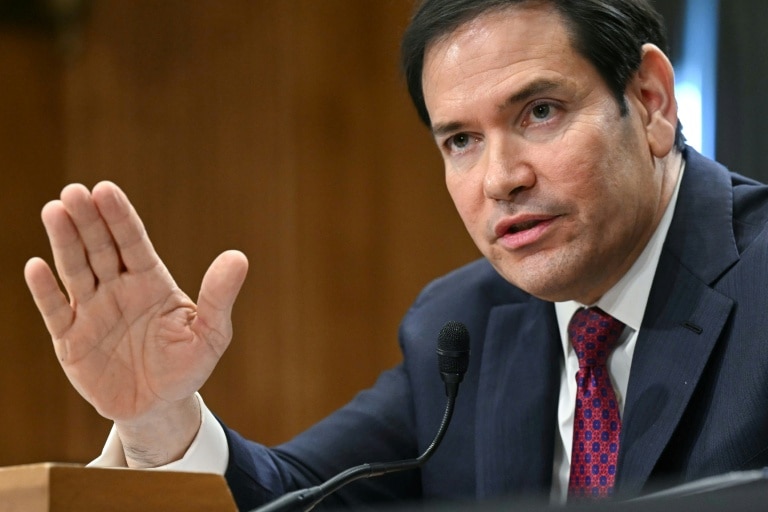
In a nuanced presentation before the Senate Foreign Relations Committee, Secretary of State Marco Rubio outlined the United States’ strategic approach towards Venezuela, blending diplomatic optimism with a clear warning of potential military force. Rubio expressed confidence in rapidly reestablishing a U.S. diplomatic presence in Caracas, emphasizing that embassy operations would facilitate real-time intelligence and enhanced engagement with Venezuelan authorities and civil society. This diplomatic initiative follows the recent deployment of senior diplomat Laura Dogu to oversee Venezuelan affairs and the assessment of embassy facilities.
The Secretary’s prepared testimony contained significantly stronger language than his oral remarks, explicitly stating readiness to “use force to ensure maximum cooperation” if necessary, while verbally assuring senators that military action was neither anticipated nor planned. This apparent contradiction reflects the administration’s calibrated strategy of combining diplomatic channels with credible deterrence.
President Trump’s demands for Venezuelan cooperation with U.S. oil companies underscore the economic dimensions of this geopolitical shift, particularly significant given Venezuela’s position as holder of the world’s largest proven oil reserves. Recent developments indicate some progress, with Acting President Delcy Rodriguez announcing the unblocking of sanctioned Venezuelan funds and encouraging U.S. oil investment, despite her simultaneous insistence on independence from Washington’s directives.
The political landscape remains complex following the January 3rd operation that deposed Nicolás Maduro, who now faces drug trafficking charges in New York alongside his wife. Democratic senators raised substantial concerns about the operation’s costs—reportedly hundreds of millions of dollars—and its outcomes. Senator Jeanne Shaheen characterized the situation as replacing “one dictator for another,” questioning whether Rodriguez’s cooperation represents genuine alignment change or temporary tactical maneuvering.
Further scrutiny emerged regarding potential personal motivations, with Senator Chris Van Hollen referencing Trump’s meetings with oil executives and suggesting possible corrupt intentions behind the Venezuela operation. The human cost of the intervention also drew attention, with Venezuelan officials reporting over 100 fatalities during the operation to extract Maduro.
Amid these developments, opposition leader María Corina Machado emerges as a significant figure, having recently engaged with both Trump and Rubio. Her White House visit, during which she presented her Nobel Peace Prize to the president, appears to have positively influenced Trump’s previously dismissive assessment of her leadership capabilities. Rubio, a longstanding supporter of Machado’s opposition movement, scheduled a private meeting with her following the congressional hearing.