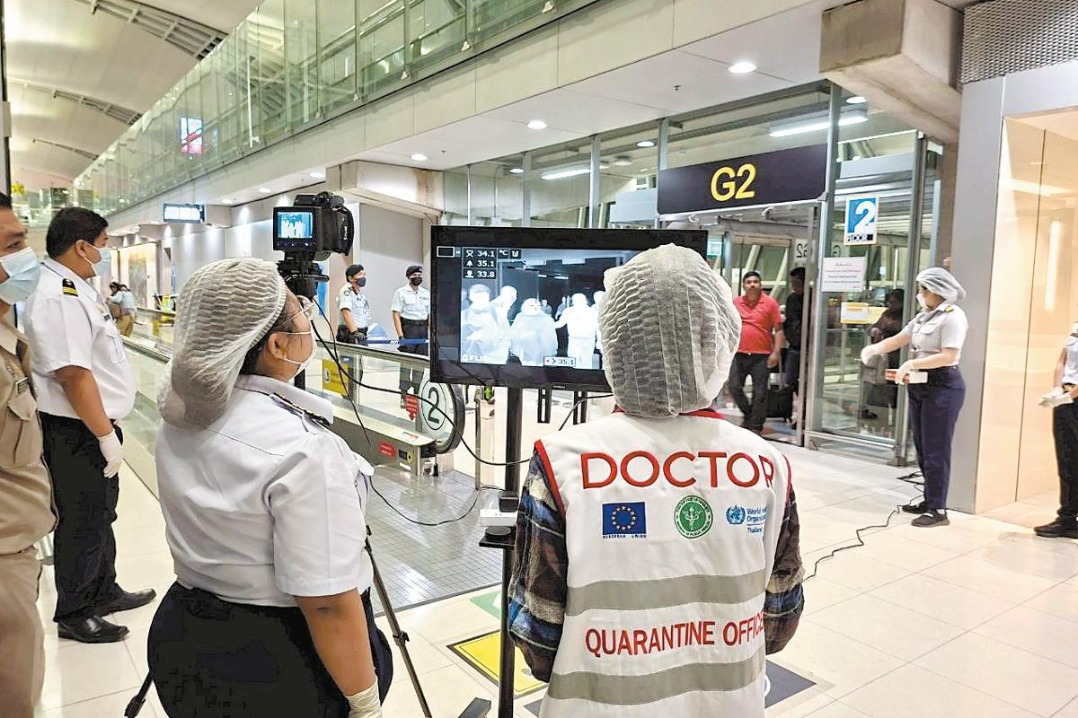
Chinese health authorities have initiated comprehensive preventive measures against the Nipah virus despite confirming zero domestic cases and assessing the infection risk as minimal. The National Disease Control and Prevention Administration announced enhanced surveillance protocols, expanded testing capabilities, and intensified personnel training in response to recent outbreaks in neighboring countries.
The zoonotic pathogen, primarily hosted by fruit bats, transmits through direct contact with infected animals or consumption of contaminated food products. First identified in 1990s Malaysia, the virus demonstrates concerning fatality rates between 40-75% according to World Health Organization estimates, though its relatively slow transmission pattern limits pandemic potential.
India’s health ministry reported contained outbreaks in West Bengal state, with two confirmed cases among 196 monitored contacts all testing negative. Chinese epidemiologists note the geographical separation from affected regions significantly reduces transmission risks, but maintain vigilance against potential imported cases.
China’s preparedness includes developed and stockpiled nucleic acid testing kits distributed to provincial-level disease control centers, ensuring nationwide diagnostic capabilities. Notably, researchers from the Chinese Academy of Sciences revealed promising findings regarding antiviral drug VV116—originally developed for COVID-19—showing significant containment activity against Nipah virus in studies published in Emerging Microbes & Infections.
Regional responses have intensified with Thailand implementing airport screenings for travelers from affected areas, Myanmar enhancing monitoring due to its substantial fruit bat populations, and the Philippines maintaining heightened public health alerts despite assured preparedness levels.