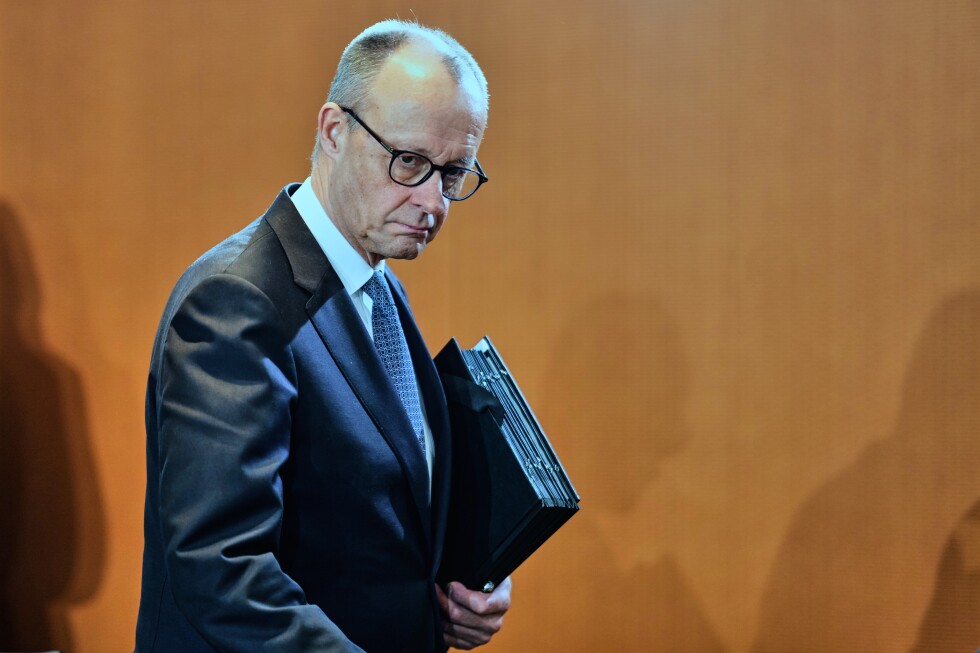
BERLIN — Germany’s federal government has announced a downward revision of its economic growth projections for 2026, signaling a more gradual recovery trajectory than initially anticipated for Europe’s largest economy. Chancellor Friedrich Merz’s administration now projects gross domestic product expansion of approximately 1% this year and 1.3% in 2027, according to Economy Minister Katherina Reiche. This represents a reduction from October’s more optimistic forecasts of 1.3% and 1.4% respectively.
The revised outlook follows Germany’s return to modest economic growth in the previous year, with preliminary official data indicating a 0.2% expansion after two consecutive years of contraction. The Merz coalition government, which assumed power in May with economic revitalization as a central priority, has implemented multiple stimulus measures including a comprehensive investment encouragement program and a landmark €500 billion ($596 billion) infrastructure modernization fund scheduled for deployment over the next twelve years.
Additional governmental initiatives include streamlined defense spending approvals, proposed energy price subsidies for energy-intensive industries, regulatory simplification efforts, and accelerated digital transformation programs. Minister Reiche attributed the tempered growth expectations to delayed implementation and impact of these financial and economic policy measures, though she noted emerging data indicates a ‘clear recovery’ underway.
Germany’s economic challenges stem from multiple factors including intensified competition from Chinese manufacturers in traditional strength sectors like industrial machinery and luxury automobiles, elevated energy costs following Russia’s full-scale invasion of Ukraine, and ongoing trade uncertainties related to tariff policies and international relations.