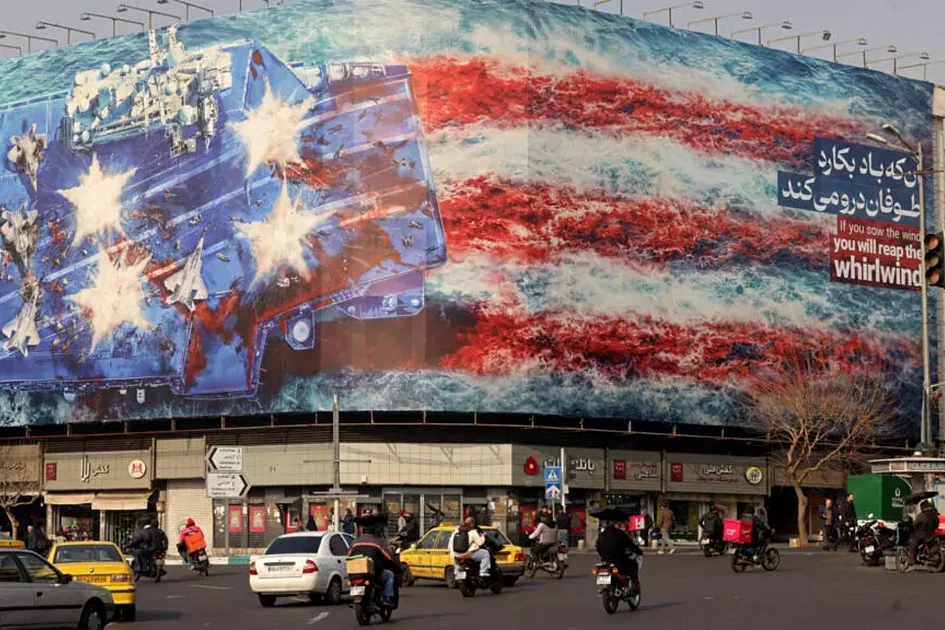
In a significant escalation of Middle East tensions, Iran has formally rejected any possibility of negotiations with the United States, citing the presence of a U.S. naval strike group in regional waters as an unacceptable military threat. The USS Abraham Lincoln-led carrier group has been deployed to the Middle East, though U.S. Central Command has not disclosed its exact positioning.
Iranian Foreign Minister Abbas Araghchi declared that ‘conducting diplomacy through military threat cannot be effective or useful,’ emphasizing that Tehran would not engage in talks while facing what it perceives as coercion. This diplomatic stalemate unfolds alongside revelations of a devastating human rights crisis within Iran, where a verified death toll from recent protests has surpassed 6,200, according to the U.S.-based Human Rights Activists News Agency (HRANA).
Simultaneously, Iran is pursuing a diplomatic offensive across the Arab world. President Masoud Pezeshkian has engaged with Saudi Crown Prince Mohammed bin Salman, while top security official Ali Larijani has consulted with Qatari leadership. These efforts appear aimed at rallying regional support and isolating American positions. Egyptian officials have separately communicated with both Iranian and American diplomats, advocating for de-escalation and the creation of conditions conducive to resumed dialogue.
The domestic situation remains dire, with HRANA reporting over 42,000 arrests and warning of ‘new dimensions’ in the security crackdown, including hospital searches for wounded protesters and arrests of medical personnel. Concerns are mounting that protesters may face execution, following Iran’s recent execution of an alleged Mossad agent and judicial indications that some detainees could face capital charges.