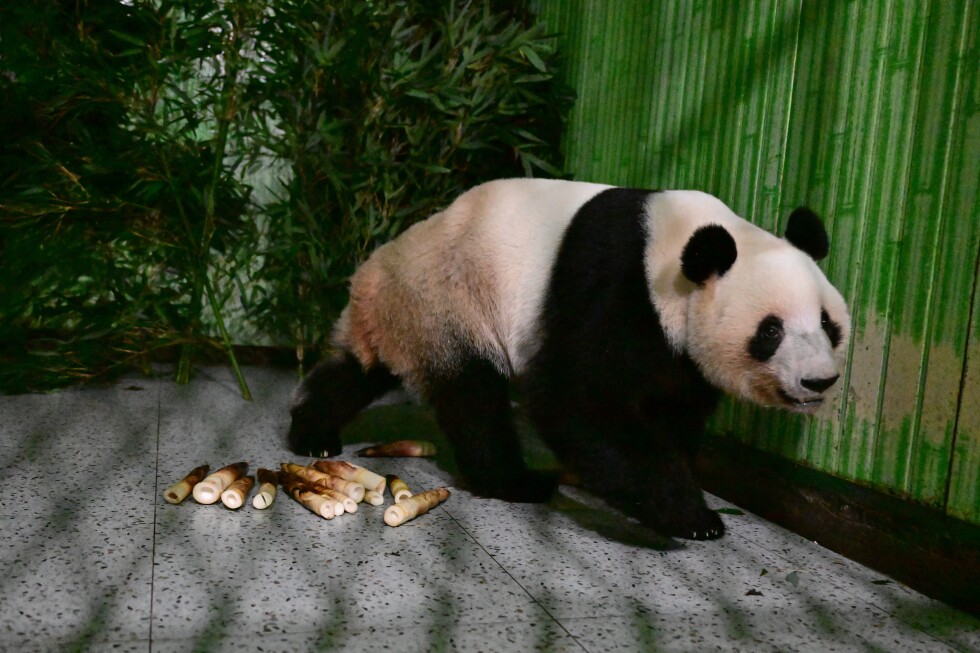
BANGKOK (AP) — Japan has entered its first panda-free period in fifty years following the departure of its last remaining giant pandas, Xiao Xiao and Lei Lei, who have been repatriated to China. This development occurs during a significant downturn in Sino-Japanese relations, primarily fueled by Japan’s current Prime Minister’s position on Taiwan, which Beijing considers a breakaway province. The strained diplomatic climate suggests that new panda loans to Japan are improbable in the near future.
The twin pandas, born in 2021 at Tokyo’s renowned Ueno Zoo, garnered a massive and devoted following. Thousands of admirers visited the zoo for a final glimpse before the bears began their journey. This practice of panda diplomacy dates back to 1972 when China first gifted pandas to Japan to commemorate the normalization of diplomatic relations. For decades, China has strategically employed these charismatic animals as instruments of soft power and diplomatic goodwill—a gesture that can be withdrawn when bilateral relations become contentious.
State broadcaster CCTV documented the arrival of Xiao Xiao and Lei Lei in crates at a facility in Sichuan province, the heartland of China’s giant panda conservation efforts. According to a statement from the China Conservation and Research Center for the Giant Panda, the animals arrived safely early Wednesday morning. They will now undergo a standard quarantine period at the research center. Under China’s long-standing policy, all pandas loaned to foreign nations, including any offspring born abroad, remain the property of China.