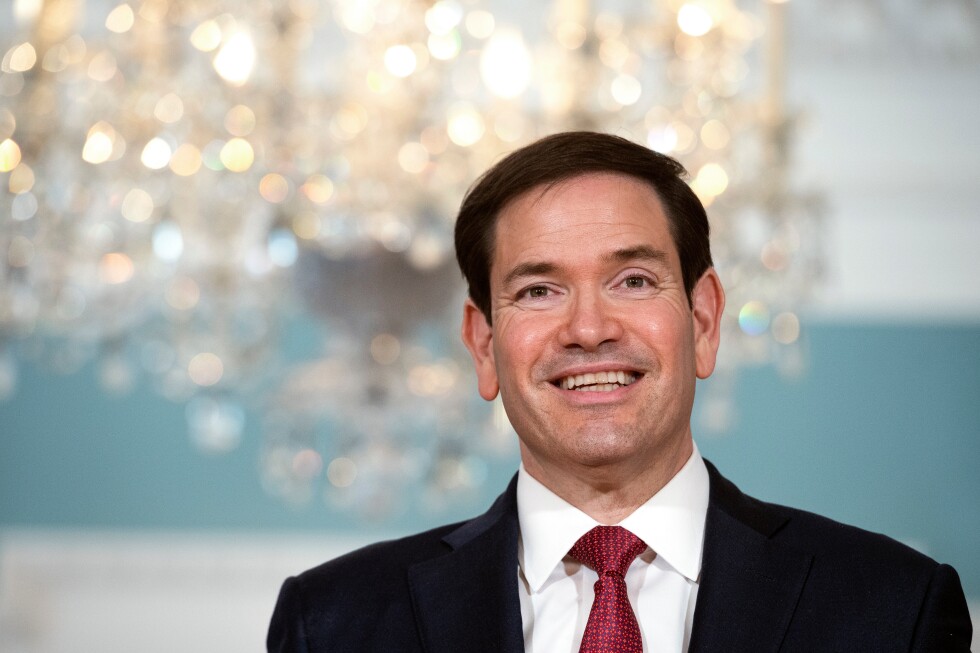
WASHINGTON — Secretary of State Marco Rubio is poised to deliver a stark warning to Venezuela’s interim leadership during Wednesday’s Senate Foreign Relations Committee hearing: continued U.S. military intervention remains on the table if cooperation wavers. While emphasizing that America is “not at war with Venezuela,” Rubio’s prepared testimony clarifies that the Trump administration would not hesitate to deploy additional force should diplomatic efforts fail, following the recent raid that captured former President Nicolás Maduro.
According to advance remarks released by the State Department, Rubio will state: “We are prepared to use force to ensure maximum cooperation if other methods fail. It is our hope that this will not prove necessary, but we will never shy away from our duty to the American people and our mission in this hemisphere.”
The hearing occurs amid growing congressional tension over executive authority, with Democrats condemning Trump’s Venezuela actions as constitutional overreach while most Republicans defend them as legitimate presidential power. Although the House recently defeated a war powers resolution seeking to withdraw U.S. forces, the administration maintains no troops are stationed in Venezuela despite significant regional military buildup.
Simultaneously, the administration is pursuing normalized relations with Acting President Delcy Rodríguez, though Rubio’s testimony makes clear her compliance with U.S. demands is expected. These demands include opening Venezuela’s energy sector to U.S. companies, redirecting oil revenue toward American goods, and ending subsidized oil exports to Cuba.
Rodríguez acknowledged “respectful and courteous channels of communication” with the Trump administration and reported collaboration on a “working agenda.” Her government has already released 266 political prisoners—a move Trump praised as a “powerful humanitarian gesture.”
In a significant diplomatic step, the State Department notified Congress of plans to deploy additional personnel to Caracas, preparing for potential embassy reopening. Full normalization, however, would require rescinding U.S. recognition of Venezuela’s 2015 parliament as the legitimate government.
Rubio’s appearance also serves to address broader foreign policy concerns within his party, including Trump’s controversial Greenland annexation proposal, as the administration’s attention shifts between hemispheric, European, and Middle Eastern priorities.